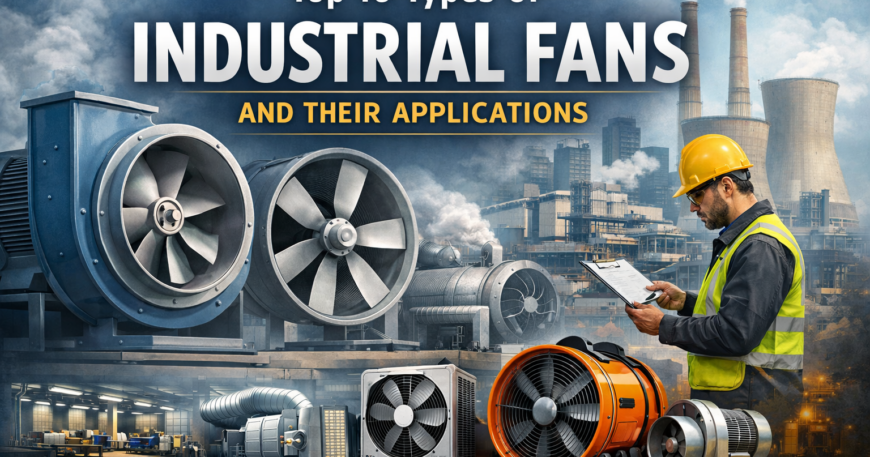
Stifling heat and stagnant air can ruin a factory’s output in minutes. Bilal Switchgear Engineering understands that choosing the right air movement system is a big deal for any workshop. You need industrial fans that can handle grime and long hours. This guide covers the best options to keep your facility cool and safe from fumes.
Overview of Industrial Fans
In any big manufacturing plant, moving air is not just for comfort. It is about keeping machines from melting down. Industrial fans move massive amounts of air to clear out dust and heat. Without them, your energy bills go up because other cooling systems work too hard. It is a vital part of industrial cooling.
1. Centrifugal Fans for High Pressure
These are sometimes called scroll fans because of their shape. A centrifugal fan pulls air in and then pushes it out at a 90-degree angle. They are great for high-pressure needs like dust collection systems. If you have a ducted HVAC setup, this is likely what you are using to keep air moving.
2. Axial Fans for High Airflow
If you need a lot of air moved but do not have much resistance, go axial. These industrial fans look like propellers on a plane. They pull air straight through the blades. They are perfect for general ventilation in large warehouses. You see them often in cooling towers and small exhaust ports.
3. Blower Fans for Specific Cooling
Blowers are basically heavy-duty versions of centrifugal fans. They are built for high-volume airflow in very specific directions. You use them for machinery cooling or pulling wood chips out of a shop. They are rugged. These industrial fans can run for years if you keep the bearings greased properly.
4. HVAC Fans for Air Circulation
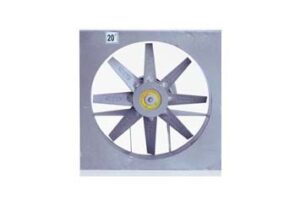
Heating and cooling systems in a factory need special fans to push air through long vents. HVAC fans are designed to be energy efficient while keeping the air fresh. They balance speed and noise. In places like Pakistan, keeping these fans clean is key because of the heavy summer dust.
5. Portable Fans for Mobile Use
Sometimes you just need a blast of air in one corner for a few hours. Portable industrial fans are great for temporary events or moving around a job site. They have wheels and tough cages to keep people safe. You do not need a permanent mount to get relief from the heat.
6. Specialty Fans for Clean Spaces
Some jobs need more than just a big blade. Specialty fans are made from innovative materials like stainless steel for food plants. They might be designed for quiet operation in a hospital or a data center. These industrial fans handle unique environmental challenges like moisture or corrosive gases without breaking.
7. Bladeless Fans for Safety
Bladeless designs are getting more popular in modern offices and clean labs. They are very safe because there are no spinning parts exposed to fingers. They offer a very smooth, quiet operation. While not for heavy dust, they look great and are very easy to keep clean in a workspace.
8. Heavy Duty Belt Drive Fans
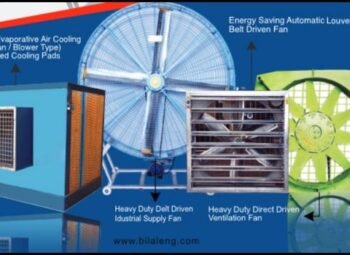
A heavy-duty belt-driven industrial supply fan is a classic choice for big tasks. The motor is separate from the fan blades, connected by a belt. This lets you adjust the speed by changing the pulley size. It is very versatile. These are excellent for industrial processes where you might need to change airflow often.
9. Direct Drive Fans for Efficiency
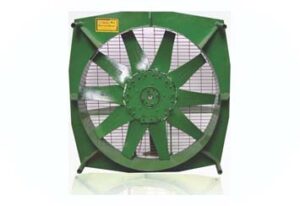
In a direct drive fan, the motor is connected directly to the blades. There are fewer moving parts, which means very low maintenance. You get high efficiency and a smaller footprint. They are often found in exhaust systems and air conditioning units where you want a simple, reliable power setup.
10. Mixed Flow Fans for Compact Spaces
Mixed flow fans are like a hybrid between axial and centrifugal types. They offer more pressure than an axial fan but are more compact than a centrifugal one. They are great for industrial spaces with tight ceilings. These industrial fans handle ducted ventilation well without taking up massive amounts of room.
Choosing the Right Industrial Fan
Picking the wrong fan is a waste of money. You must look at your airflow requirements and how much power the motor drinks. Correct fan selection leads to major cost savings over the year. Operational efficiency is what matters most when the fan is running 24 hours a day.
Conclusion on Air Movement
Every factory needs a different mix of air. Whether it is a blower or a mixed flow unit, the goal is reliability. Bilal Switchgear Engineering provides the parts and the know-how to keep your systems running. Investing in high-quality industrial fans ensures that your production never stops because of a bad environment.
FAQS
What are the disadvantages of industrial fans?
The main downsides are the loud noise levels and the amount of power they use. They can also blow dust around if you do not have a good filter system in place.
Do industrial fans cool a room?
Fans do not lower the actual temperature of the air as an AC does. They cool people by moving air over the skin and cool machines by blowing heat away.
Can I use an industrial fan at home?
You can, but they are usually way too loud and powerful for a small bedroom. They are better suited for a large garage, a workshop, or a big outdoor patio.
What is the life span of an industrial fan?
A well-made fan can last 10 to 15 years if you take care of it. You just need to keep the motor clean and replace the belts or bearings occasionally.
What type of fan is most powerful?
Centrifugal blowers are usually considered the most powerful because they create high pressure. They can push air through long pipes and heavy filters without slowing down much.
Do industrial fans require special wiring?
Large fans often need three-phase power and a dedicated circuit breaker. Smaller portable versions might work on a standard plug, but you should always check the motor plate.
Which is more efficient: direct drive or belt drive fans?
Direct drive fans are usually more efficient because there is no energy lost through a belt. However, belt drives are easier to fix and allow for more speed adjustments.