✓ Quick Reference Facts
Busbar Installation Guide
| Core function of busbars | Conduct and distribute electrical power within panels and switchgear |
| Common busbar materials | Copper and aluminum |
| Typical busbar shapes | Flat, rectangular, or tubular conductive bars |
| Main system types | 3-phase busbar systems and distribution busbar panels |
| Critical installation principle | All joints must be clean, tight, and properly torqued |
| Pre-installation safety requirement | Complete de-energization with lockout/tagout and multimeter verification |
| Key installation tools | Torque wrench, insulated tools, multimeter, and cleaning kit |
| Joint optimization method | Use conductive grease and manufacturer-recommended torque settings |
| Design consideration | Cross-sectional area must match load to prevent overheating |
| Key post-installation checks | Continuity testing, thermal scanning, and phase voltage verification |
| Maintenance requirement | Annual bolt tightening and periodic thermal inspection |
Bilal Switchgear Engineering handles complex power systems every day. Proper installation is the only way to keep a facility running safely. If you do not install the internal conductors correctly, the whole panel might fail. That is why learning to set up busbars is so critical for any electrical project. These thick strips carry the main power load for the entire building.
Introduction to Busbars and Electrical Panels
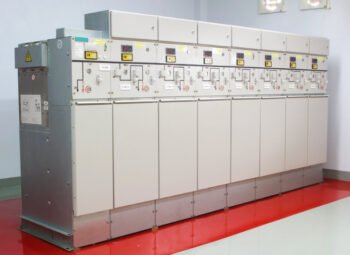
A busbar is a solid metal bar that conducts electricity. You will find them inside the main distribution boards and switchgear. They take the power from the source and send it to different breakers. Using them is much cleaner than trying to use thick, messy cables. It makes the whole panel look organized and professional.
Most electrical panels in Pakistan rely on these bars for high-current jobs. They are used for the main power, the neutral path, and grounding. Because they are rigid, they stay in place during a power surge. This prevents the parts from moving and causing a dangerous short circuit. It is a very reliable way to move energy.
What is a Busbar?
It is essentially a conductive metal strip. Most are made of copper or aluminum because these metals carry current well. The bars can be flat, rectangular, or even hollow tubes. The size of the busbar determines how much current it can handle safely. Thicker bars are used for heavy industrial machinery.
Importance of Busbars in Electrical Systems
These components make the system much easier to expand. You can just bolt a new connection onto the bar later. It reduces the clutter of wires inside the cabinet. This helps with airflow so the parts do not get too hot. It is a very flexible way to design a power system.
Types of Busbar Systems
Different buildings need different setups. A 3-phase busbar panel is the standard for most factories. It has three separate bars for the different phases of power. Some smaller shops might use simple distribution blocks. PDB systems often use these bars to split power between multiple floors or sections.
Choosing the Right Busbar Material
Copper is the best choice for conductivity and strength. It does not expand too much when it gets warm. Aluminum is much lighter and cheaper to buy. It is good for very long runs where weight is an issue. You must pick the material that fits the project budget and the power needs.
Key Design Considerations
You must look at the thickness and width of each bar. The cross-sectional area must be large enough for the total load. If the bar is too small, it will overheat. You also need to think about how to manage the heat. Proper spacing between the bars is necessary to keep the electricity from jumping.
Step-by-Step Busbar Installation Guide
Installing these parts takes a bit of patience and the right tools. You cannot just slap them together. Every joint must be clean and tight. If a bolt is loose, it creates resistance. Resistance leads to heat, and heat leads to fires. Follow the steps carefully to ensure a safe setup.
Pre-Installation Safety Checks
First, make sure the panel is completely de-energized. Use a multimeter to test for any stray voltage. You should always use insulated tools for this kind of work. Prepare the site by removing any dust or metal shavings. Follow standard lockout and tagout procedures so nobody turns the power back on.
Installation Process
Mount the brackets inside the cabinet first. Secure the busbars onto the insulators carefully. Use conductive grease on the joints to improve the contact. Tighten all bolts to the specific torque settings. You can use heat-shrink tubing or insulation covers to keep the bars protected. This prevents accidental contact later.
Post-Installation Testing and Verification
Once the busbars are in place, you must do a continuity test. Verify that the voltage is correct across all phases. Check the mechanical alignment to see if anything is touching where it should not. Thermal monitoring helps find hot spots during the first few hours of use. Always check that the work meets electrical standards.
Advanced Busbar Safety and Efficiency Tips
Use proper mechanical supports so the bars do not vibrate. Earthing is essential to prevent shocks during a fault. You should also have a protection system in place for short circuits. Handle the bars with care so you do not scratch the surface. A smooth surface helps the electricity flow much better.
Bilal Switchgear Engineering understands how to build reliable power solutions. Installing busbars the right way ensures your system lasts for decades. We focus on quality and safety for every client we serve. Our team is ready to help with your next industrial project. Reach out to us for expert advice on your electrical infrastructure.
FAQS
What are the initial steps I should take when preparing to install bus bars?
You must turn off all power and check the panel with a multimeter. Then, clean the mounting area and gather all your insulated tools.
How should I plan the layout?
The layout must allow for enough space between phases to prevent arcing. You also need to leave room for future connections and cooling.
What tools are essential for installing busbar systems?
You need a torque wrench, a multimeter, and insulated nut drivers. A cleaning kit for the metal joints is also very important.
How do I ensure optimal contact and minimize resistance at electrical joints?
Clean the metal surfaces until they shine and use conductive grease. Always tighten the bolts to the exact torque the manufacturer recommends.
What are the key considerations when choosing between aluminum and copper bus bars?
Copper is more conductive and smaller, while aluminum is lighter and cheaper. Your choice depends on the space available and the project budget.
What are common mistakes to avoid during busbar installation?
Never use bolts that are too loose or leave the metal surfaces dirty. Also, do not forget to check the spacing between the different phases.
How should I maintain busbars after installation?
Check the bolts once a year to make sure they are still tight. Use a thermal camera to look for any spots that are getting too hot.