Installing electrical gear is a task that needs a very steady hand. Bilal Switchgear Engineering knows that even a small slip-up can lead to big damage or fires. This guide is here to walk you through the right way to handle a voltage panel when you are setting it up. It is not just about getting the lights to turn on. It is about keeping everyone safe for years to come.
Choosing the Right Voltage Panel Based on Requirements
You really must start by looking at your total electrical load. Every machine and every light bulb adds up to a certain number of amps. If your low-voltage panel is too small for the job, those breakers are going to trip all the time. Choosing the right voltage panel prevents way too much heat and protects your wires. You must pick a box that can handle your peak power without any struggle at all.
Selecting the Right Location for Your Panel
The spot you pick for the voltage panel really matters for the long-term health of the system. It must be a dry area where the air can move around freely. Never put a panel in a bathroom or a messy storage room. You need at least three feet of clear space right in front of it. This makes it much easier to reach in case of an emergency.
Essential Tools and Materials
Go ahead and gather all your tools before you start doing anything. You are going to need a good voltage tester, wire strippers, and some insulated screwdrivers. Do not forget the proper grounding conductors and the right electrical connectors. Having your kit ready ensures you do not have to stop in the middle of the work. Proper safety gear, like rubber gloves, is a must for any voltage panel worker.
Preparing for Safe Installation
First off, you must kill the main power at the source. Never trust a switch without testing it yourself first. Use your meter to make sure those wires are dead. Wear your protective gear even if you are sure the power is off. This prep work is the most important part of installing a voltage panel without getting yourself hurt.
Mounting the Voltage Panel
Now you can mount the enclosure onto the wall. Use heavy-duty screws and anchors so it does not move at all. A level is very helpful here just to keep the box straight. Make sure it is at a height that is easy to reach for an adult. A solid mount keeps the voltage panel from vibrating or coming loose as the years go by.
Installing Circuit Breakers
Snap those breakers onto the bus bars one by one. They really should click in firmly without any wiggle room. Use the right size breaker for the specific wire you are connecting to it. If a breaker feels a bit loose, do not use it. A tight connection inside the voltage panel is exactly what prevents dangerous sparking and heat buildup.
Wiring the Voltage Panel
This is the part where you must be very, very neat. Strip only a tiny bit of the insulation off the ends of the wires. Run your neutral and your ground wires to their specific bars first. Keep the wires along the sides of the box so the center stays clear. A tidy voltage panel is just much easier to fix if something goes wrong later.
Connecting Feeder and Branch Wires
Connect those heavy feeder wires to the main lugs at the top of the box. Use a torque wrench if you have one to get them just right. Then run your branch circuits to the individual breakers. Label every single wire as you go so you do not get confused later. Good wire management inside the voltage panel stops the box from getting way too crowded.
Testing, Inspection, and Labeling
Turn the main power back on and test every circuit with your meter. Check for any weird smells or buzzing sounds coming from the box. Write down exactly what each breaker does on the door schedule. In Pakistan, the high heat can be a real problem, so check for any hot spots. A well-labeled voltage panel saves a ton of time during a blackout.
Common Mistakes and When to Call an Electrician
A lot of people try to put two wires into one single breaker. This is a huge mistake that causes fires. Also, using the wrong wire size for a high-load machine is very risky. If the panel looks like a mess of tangled wires, just stop what you are doing. It is always smarter to call a pro when you start feeling stuck.
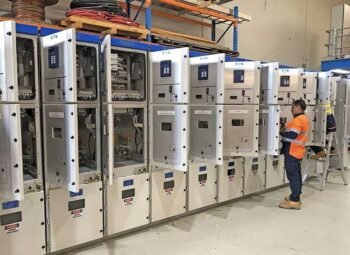
Working with medium-voltage panels is a high-stakes task that is handled only through specialised engineering procedures and certified professionals. Bilal Switchgear Engineering provides the right equipment and the support needed for these big industrial tasks. We truly believe that a safe voltage panel setup is the foundation of a reliable power system. Always put safety first when you are dealing with electricity in your facility.
FAQS
Why is proper installation important?
It keeps your building from catching on fire and protects your expensive electronics from getting fried. A good installation means you will not have to pay for constant repairs or new parts.
Can I install a voltage panel myself, or should I hire an electrician?
You should really hire a licensed pro to handle any electrical panel work. Main power lines carry enough current to be deadly if you make even a tiny mistake.
What tools and materials are required for installing a voltage panel?
You need a voltage tester, wire strippers, screwdrivers, and a level. You also need the panel box itself, the circuit breakers, and proper grounding equipment.
How do I determine the right location for my electrical panel?
Pick a cool and dry spot that is easy for you to get to. Make sure there is plenty of room for a technician to stand and work safely in front of the unit.
What safety precautions should I take before starting installation?
The big one is turning off the main power and testing the lines. You should also wear safety glasses and make sure you stay on a dry surface while you work.
How do I wire the panel correctly and connect circuit breakers safely?
Follow the wiring diagram that comes with the box exactly as it is shown. Make sure every wire is under a screw, and every breaker is snapped tight onto the bus bar.
What common mistakes should I avoid during installation?
Avoid loose wire connections and do not ever use the wrong size breakers. Also, never leave gaps in the panel where someone could accidentally touch a live part.