Engineering Matrix
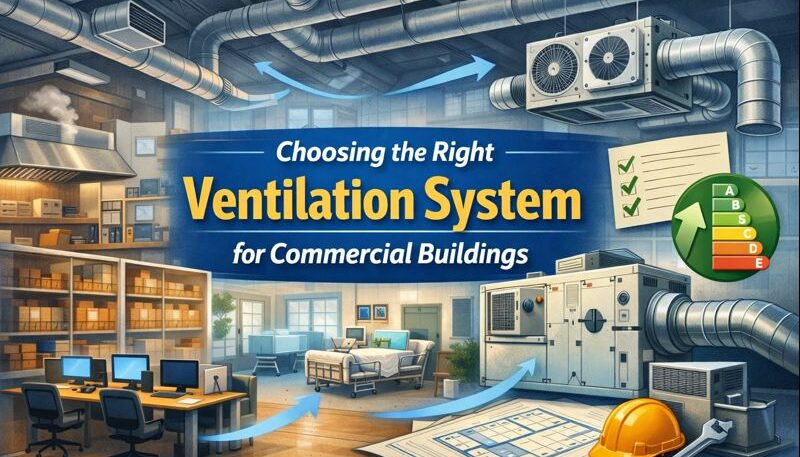
Commercial Ventilation Selection & Performance Guide
A quick reference guide for architects, builders, and facility managers by Bilal Switchgear Engineering.
| Core Factor | Design & Airflow Requirement | Primary Operational Impact |
|---|---|---|
| Building Size & Layout | Zoning, multi-storey pressure management, and precise duct mapping to eliminate open-layout “dead zones.” | Prevents pockets of heavy air; ensures balanced air age. |
| Occupancy & Usage | Dynamic calculations based on peak occupant spikes rather than static daily floor-area averages. | Sustains cognitive focus and workplace productivity. |
| Industry Specifics | Tailored capture velocities for kitchens (grease/heat), warehouses (dust/fumes), and healthcare (contamination). | Guarantees micro-climate safety and process compliance. |
| System Configuration | Selection between Mechanical (AHUs, exhaust units), Natural, or Hybrid options matching daily building usage patterns. | Optimizes initial capital expenditure against lifecycle value. |
| Efficiency & Longevity | Continuous balance tracking, intelligent controls, and explicit clearance planning for routine filter/fan maintenance. | Reduces compounding utility overheads and system wear. |
Most commercial buildings do not fail suddenly. They become uncomfortable first. The air feels heavy. People lose focus faster. Complaints appear without a clear reason. When we look back, the issue often connects to one early choice: the right ventilation system. Once it is installed, changing it becomes difficult. That is why selecting the right approach from the beginning matters more than most expect.
Why Proper Ventilation Matters in Commercial Spaces
People spend long hours inside commercial buildings. Air circulates less than we assume. Heat builds up. Odours linger. Without steady airflow, indoor air quality drops quietly. We often notice staff feeling tired before systems show faults. Proper ventilation supports comfort and safety at the same time. When air moves well, spaces feel easier to work in. Productivity improves without effort.
Understanding Commercial Ventilation Requirements
Every building behaves differently. Standards offer guidance, but real conditions vary. Occupancy changes. Equipment loads fluctuate. We assess airflow demand by observing how spaces operate throughout the day. A ventilation system must handle peak conditions, not averages. When airflow falls short during busy hours, discomfort appears quickly. Getting these calculations right early prevents long-term problems.
Building Size and Layout Considerations
Air does not move evenly across large spaces. Open layouts create dead zones. Multi-storey buildings develop pressure differences. We think about zoning, duct paths, and distribution before installation. Layout decisions shape airflow long after walls close.
Occupancy Levels and Usage Patterns
Usage rarely stays constant. Offices fill gradually. Retail spaces spike without warning. We design systems that adapt rather than struggle. Occupant density influences airflow demand more than floor area alone.
Industry-Specific Ventilation Needs
Each industry creates its own challenges. Kitchens release heat and grease. Warehouses manage dust and fumes. Healthcare spaces require strict contamination control. We tailor airflow strategies to real activities, not generic categories.
Compliance With Codes and Safety Standards
Regulations exist to protect people. Building codes and health standards define minimum airflow levels. We follow them carefully, but we do not stop there. A compliant ventilation system should also be practical to operate and maintain. Compliance works best when it supports daily use, not paperwork alone.
Types of Ventilation Systems for Commercial Buildings
No single solution fits every building. Mechanical systems offer control. Natural ventilation works where the design allows. Hybrid systems balance both. We evaluate AHUs, exhaust systems, and fresh air units based on behaviour, not trends. The right ventilation system matches how the building breathes throughout the day.
Energy Efficiency and Operating Costs
Energy use adds up quietly. Systems that run harder than necessary wear out faster. We look at energy efficiency through airflow balance, controls, and realistic load assumptions. Efficient systems save costs over time without sacrificing comfort.
Installation, Maintenance, and System Longevity
Even good designs fail with poor installation. Small errors restrict airflow. Access becomes difficult. Maintenance suffers. We plan for inspections, filter changes, and servicing from the start. A ventilation system lasts longer when maintenance feels manageable, not forced.
How Bilal Switchgear Engineering Supports Commercial Ventilation Projects
At Bilal Switchgear Engineering, we think about ventilation as a living system. It changes as buildings age and usage shifts. We support consultation, design, and execution with this reality in mind. Our ventilation system solutions focus on airflow that works day after day.
FAQs
1. How do we choose the right ventilation system for a commercial building?
We look at layout, occupancy, usage patterns, and regulations. The best system responds to real daily behaviour, not assumptions.
2. Does every commercial building need mechanical ventilation?
Not always. Some buildings allow natural airflow. Mechanical systems become necessary when consistency and control matter.
3. How does ventilation affect employee productivity?
Poor airflow causes fatigue and discomfort. Stable ventilation supports focus and makes long working hours more tolerable.
4. What role do standards play in ventilation design?
Standards define minimum requirements. We use them as a baseline while designing for actual operating conditions.
5. How often should ventilation systems be maintained?
Maintenance depends on usage and environment. Regular checks help maintain airflow and prevent gradual performance loss.
6. Can upgrading ventilation reduce operating costs?
Yes. Balanced airflow reduces energy waste and lowers long-term maintenance demands.