
Energy efficiency is an effective way to save energy, minimize waste, and maximize output.
In many commercial and industrial settings, the major losses are due to heat loss, inadequate equipment, and poor connections.
Electrical distribution equipment, such as switchgear panels, plays a vital role in protecting and distributing power.
They help reduce operational losses and lower power losses as well. Nowadays, industries are increasingly focused on energy-efficient infrastructure to meet environmental regulations.
What Are Switchgear Panels?
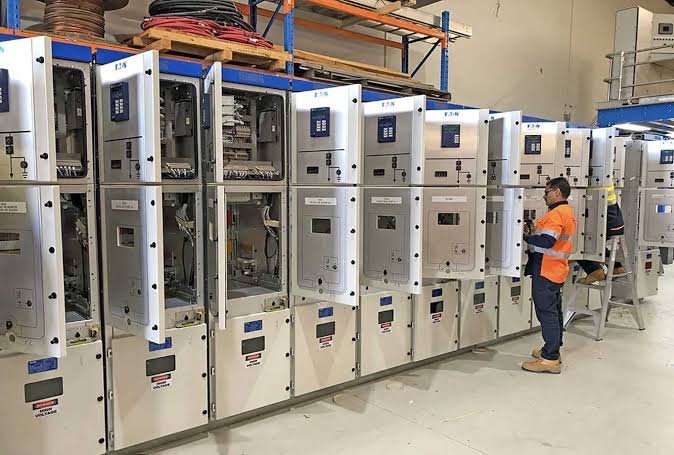
Switchgear panels are centralized, metal-enclosed assemblies of electrical components. The main components of
switchgear panels include circuit breakers, switches, fuses, and relays. These are designed to protect, control,
and isolate the electrical components.
The main function of the smart switchgear panels is to use digital sensors to analyze energy consumption and power quality.
Switchgears are responsible for monitoring, communicating, and analyzing the system. These panels are composed of various parts:
- Sensors for temperature, voltage, and current
- Modbus and Ethernet (Communication Modules)
- Digital protection Relays
Instead of relying on passive equipment that is only usable during faults, the smart ones are responsible for efficient
power management and improved safety and stability. It helps engineering and management to work adequately.
Types of Power Loss in Electrical Panels
As power losses arise from many causes, one is the conversion of electrical energy into heat. This heat energy is usually
considered to be wasted rather than delivered to the right destination. This causes a great loss in system performance and efficiency.
- The resistive losses (I²R) are also among the energy losses due to resistance in conductors, and the higher the current, the greater the likelihood of heat loss.
- Dielectric losses are also a major source of power loss, arising from the dissipation of energy as heat at high voltages and temperatures.
- Harmonic distortion of current components increases heating and stress on smart switchgear panels.
Features of Energy-Efficient Switchgear Panels
There are numerous features, such as high-conductivity busbars, smart monitoring systems, and low-loss protection devices.
- Smart Monitoring System: The energy-efficient smart switchgear panel widely uses high-quality copper or aluminum busbars, which ensure smooth electrical flow and reduce power loss.
- Low-loss Protective Devices: Protective devices such as electronic trip units and advanced circuit breakers consume less power, helping to generate extra power without losing it.
- Efficient Thermal Management: The advanced smart switchgear panels are designed to control power losses in ventilation and cooling without damaging components.
- Predictive Maintenance Features: The advanced system used in the smart switchgear panels uses AI to pinpoint defects and faults before they occur, making the system more efficient and helping avoid maximum energy waste.
Technologies Improving Switchgear Efficiency
The technology used in smart switchgear panels is getting advanced day by day. These technologies help optimize the flow of electricity and make power distribution energy-efficient and reliable.
Smart sensors and digital monitoring systems are widely used in smart switchgear panels, which help monitor current, voltage,
temperature, and other factors over time.
Energy management systems (EMS) are used for tracking electricity usage and ensuring unnecessary power consumption is minimized.
Thermal management technology is also used to ensure that temperatures across cooling systems, ventilation, and heat design are well-balanced.
The power factor connection technology is also used to improve the power factor, ensure balanced current flow, and minimize heat losses. By applying these advanced technologies to smart switchgear panels, the results are cost-effective, and sustainable power distribution is promised in the future.
Future Trends of Energy Efficiency in Smart Switchgear Panels
Electricity demand is never-ending in today’s world, but the system should be smart, efficient, and more reliable.
Smart Grid Integration
The smart grids used in smart switchgear panels provide better communication and ensure that the various components
of the power systems are well connected.
Digital Switchgear Panels
The modern and advanced smart switchgear panels are being replaced by digital ones, as they allow fast monitoring,
help detect faults before they occur, and also recheck human errors.
Eco-Friendly and SF₆ Free Switchgear
In the future, old traditional switchgear uses SF₆ gas, which is very harmful to the atmosphere. The updated smart
switchgear uses eco-friendly alternatives, such as normal air, as it is a safer option and easier to manage.
IoT and Cloud-Based Monitoring
The data analysis, cloud-based storage, remote monitoring and control, early fault detection, and better decision-making
are key points that help improve performance.
Renewable Energy Systems
The smart switchgear panels work efficiently with solar panels and wind turbines. They deliver maximum energy and can
be successfully replaced by traditional switchgear panels.
Conclusion
Smart switchgear panels are transforming modern electrical systems with their advanced technology. With features such as
IoT integration, compatibility with renewable energy integration, and eco-friendly gas alternatives, these panels not only
provide electricity distribution but also optimize the system more reliably.
FAQs
1. Are smart Switchgear panels expensive?
The price of smart switchgear panels is relatively high compared to traditional ones, but they save costs over time by reducing energy losses and maintenance costs.
2. Can smart switchgear panels work with solar and wind energy?
Yes, they are designed so that they control the fluctuating power, making it more stable.
3. What is an energy-efficient switchgear panel?
It is a panel designed to reduce power loss and save energy.
4. Why is it important?
It helps save electricity and improves system performance.