Bilal Switchgear Engineering knows that some wires need more than just a simple hook. When you deal with delicate data lines or fiber optics, exposure is your enemy. A solid bottom cable tray provides the ultimate shield against the environment. It keeps your expensive electrical systems running without a hitch. You will find that this choice saves a lot of stress in the long run.
What Are Solid Bottom Cable Trays?
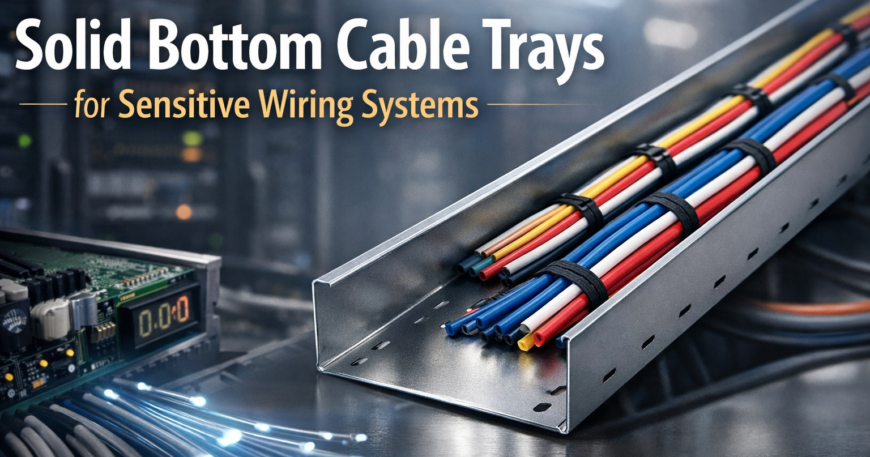
A solid bottom cable tray is basically a completely enclosed metal channel. Unlike ladder types, there are no gaps in the base. It offers a continuous flat surface for cable support. This design is perfect for protecting electrical wiring from every angle. It acts like a protective box for your most important lines.
Key Features of Solid Cable Trays
The most obvious feature is the continuous surface. It stops things from falling onto the wires from below or above. These trays are built from durable materials like steel, aluminum, or even heavy plastic. You get a setup that resists corrosion even in messy industrial spots. It is a very tough way to manage a cable network.
Dust and Contaminant Protection
Dust accumulation can cause serious overheating in power systems. A solid bottom cable tray prevents dust from settling directly on the jackets. It also offers basic water resistance in damp factories. If there is chemical exposure nearby, the solid floor keeps the cables safe. This is essential for maintaining high performance in Pakistan’s diverse industrial zones.
Enhanced Physical Protection
Physical impact resistance is another big win here. In high-traffic areas, wires can easily get kicked or snagged. The solid tray provides total cable shielding against accidental damage. It keeps the cables tucked away and safe from any outside force. This contributes greatly to overall industrial safety.
Benefits of Using Solid Bottom Cable Trays
Organization is much easier when you have a solid floor to work on. It creates a very professional and unified appearance in the building. You reduce clutter and make the workspace look much better. Versatility is also high because you can mount them almost anywhere. Maintenance is simpler because the wires stay cleaner for much longer.
Improved Organization and Aesthetics
Clutter reduction is a main goal for any site manager. Professional installations look better when the wires are hidden. In commercial spaces, a solid bottom cable tray keeps things looking neat for clients. It creates a clean line along the ceiling or wall. This is a very smart move for modern office designs.
Safety and Compliance Advantages
Fire safety compliance is often easier with an enclosed tray. It also helps with electromagnetic compatibility (EMC). This means it stops electrical noise from messing with your signals. It meets strict electrical standards that other trays might miss. You get peace of mind knowing the system is fully compliant.
Applications Across Industries
You will find a solid bottom cable tray in many different sectors. Commercial buildings use them to hide messy telecommunication lines. Industrial plants need them to protect wires from grease and metal shavings. Data centers and telecom facilities rely on them for sensitive fiber optics. They are a staple in large-scale infrastructure projects that often require a combination of cable tray and cable ladder systems to manage different power levels.
Installation Guidelines
Planning is the most important part of the job. You must start with a proper load assessment. Make sure the brackets can hold the weight of the tray and the cables. Location selection matters because you need to follow local codes. The mounting procedures must be very precise to avoid sagging over time.
Steps for Cable Placement
Start by organizing your cables into neat bundles. Use ties to keep them from sliding around on the flat floor. You must leave enough room for maintenance access later. It is a good idea to group similar cables. This makes it much easier to fix a specific line if something goes wrong.
Conclusion
Efficient cable management is about more than just holding wires up. It is about protection, durability, and long-term reliability. A solid bottom cable tray provides a secure home for your most sensitive equipment. It is an investment in the safety of your entire facility. You will see the benefits in fewer repairs and cleaner installations.
Bilal Switchgear Engineering provides top-tier products for every wiring need. We offer a high-quality cable tray that meets international standards. Our team can help you pick the right size for your specific project. We focus on making your infrastructure safe and efficient. Contact us today to see how we can improve your cable management.
FAQS
Can solid cable trays improve safety and compliance in electrical installations?
Yes, they provide a total physical barrier that reduces the risk of accidental damage. They also help with fire containment and meeting strict electromagnetic shielding standards.
What maintenance is required for solid cable trays?
You mostly need to check the mounting bolts and wipe away external dust. Since the cables are protected inside, the interior stays clean for a very long time.
How do I install a solid bottom cable tray safely and efficiently?
First, secure the support brackets to a solid wall or ceiling. Then, lay the tray sections and bolt them together before placing your electrical components.
Where are solid cable trays commonly used?
They are standard in cleanrooms, laboratories, and areas with high dust or moisture. You will also find them in places where wires must be hidden from view.
Why are solid-bottom cable trays recommended for sensitive wiring systems?
The solid floor prevents electrical interference and physical nicks. This is critical for data cables and fiber optics that can fail from even small stresses.
What materials are used for solid cable trays?
Most are made from galvanized steel, stainless steel, or lightweight aluminum. Some specialized versions use fiberglass or PVC for better chemical resistance in tough spots.
How does a solid bottom cable tray differ from other types?
Unlike ladder trays, the solid version has no openings in the bottom surface. This offers more protection from dust but provides less natural airflow for cooling hot wires.