
✓ Quick Reference Facts
Industrial Fan Maintenance
| Purpose of industrial fan maintenance | Prevent breakdowns, overheating, and production downtime |
| Recommended inspection frequency | Monthly checks with full servicing every 6 months |
| Key failure indicators | Vibration, grinding noise, squealing, overheating, or burning smell |
| Main cause of fan vibration | Imbalance, misalignment, or worn anti-vibration pads |
| Vibration risk impact | Loose bolts, bearing damage, and mechanical failure |
| Overheating cause | Blocked airflow, dust buildup, or overloaded motor operation |
| Dust impact on fan performance | Reduces airflow efficiency and increases motor load |
| Cleaning safety requirement | Always disconnect power and use lockout/tagout before cleaning |
| Lubrication requirement | Bearings and shaft require regular greasing to reduce friction |
| Electrical inspection focus | Check insulation damage, loose wiring, and burn marks |
| Critical safety risk | Overheating can melt insulation and cause short circuits or motor failure |
A broken fan in a hot factory is a total nightmare for any production line. Bilal Switchgear Engineering understands that you cannot afford to have your cooling systems quit in the middle of a shift. If you want your gear to last, you must prioritize industrial fan maintenance with a real plan for long-term care. Regular checks keep the air moving and stop small issues from becoming expensive disasters later.
Importance of Regular Industrial Fans Maintenance and Upkeep
You really need to look at your fans more than once a year. Regular upkeep stops wear and tear before the motor just burns out. It keeps everything reliable and safe for the workers on the floor. When you perform industrial fan maintenance, you are making a big investment in your facility. Taking care of that investment is just smart business for everyone involved.
Vibration Control and Stability Checks
If the fan is shaking, something is very wrong with the machine. You need to check the anti-vibration pads to see if they are worn out or cracked. A fan that is not aligned will eventually pull itself apart. Make sure the base is steady. When people do industrial fan maintenance, they sometimes forget to double-check the balance after a few months.
Identifying Excessive Fan Vibration
You can usually feel if a fan is shaking too much just by standing near it. Vibration sensors are great for catching smaller wobbles that you might miss with your hands. An unbalanced fan puts a lot of stress on the bearings. It is better to find the shake now than to wait for the whole thing to snap off.
Monitoring Temperature During Operation
Heat is the biggest enemy of any industrial motor you own. You should use sensors to keep an eye on the operating temperature. If it feels too hot to touch, you might have a real problem. High temperatures mean the fan is working way too hard. This is why industrial fan maintenance includes checking for heat buildup every week.
Preventing Overheating
To keep things cool, make sure the motor has plenty of space around it for air. Heat dissipation is vital for continuous operation in a factory. If the fan is covered in dirt, it cannot shed heat properly. This leads to a total meltdown of the internal wiring. Keep it cool, and it will run for a lot longer.
Technical Parameter Inspections
You should check the RPM and the airflow pressure every few months. If the fan is spinning but not moving much air, the efficiency is way down. Compare the current speed to the original specifications. This helps you see if the motor is getting tired. It is a simple way to track health during industrial fan maintenance.
Cleaning and Dust Management
Dust is everywhere in factories across Pakistan, and it loves to stick to fan blades. This buildup makes the motor work harder and ruins the balance. You need a regular cleaning schedule to keep the debris away. Consistent industrial fan maintenance prevents the blades from getting heavy and sluggish over time.
Step-by-Step Cleaning Procedure
First, shut the power off so nobody gets hurt by the blades. Use a stiff brush to get the big chunks of dust off the blades. Then, use a damp cloth with a mild cleaning solution to wipe it down. Do not get the motor wet. Let everything dry completely before you turn the power back on.
Lubrication and Bearing Maintenance
Bearings need grease to keep friction low and the operation smooth. If you hear a squealing noise, the lubrication is probably gone. Use the right grease for the job so you do not cause a clog. Smooth bearings mean the motor uses less power. This is a key part of why you do industrial fan maintenance.
Corrosion and Wear Inspection
Rust can eat through a fan base before you even notice it is there. Look for cracks or orange spots on the metal housing. Check the air intake box for any signs of holes. If the corrosion is deep, you might need to replace the whole part. As part of your industrial fans maintenance, catching rust early saves money.
Fasteners and Coupling Tightness
Everything vibrates a little, and that makes screws and bolts come loose. You should go around and tighten every fastener you can find. Check the coupling to make sure the motor is still locked to the fan shaft. This prevents the assembly from flying apart during a high-speed run. It keeps the whole site much safer.
Electrical and Safety Checks
Always kill the power before you start poking around the wires. Check the insulation for any cracks or burn marks. You want to make sure the motor integrity is still good. If you find a frayed wire during industrial fan maintenance, fix it immediately. Never ignore a spark or a weird electrical smell.
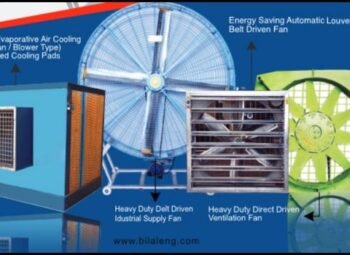
Bilal Switchgear Engineering provides the best parts to keep your factory running without any stops. We know that a good maintenance routine is just as important as the gear itself. Whether you use heavy-duty direct-driven ventilation fans or heavy-duty belt-driven ventilation fans, care is key. If you handle fan maintenance with high-quality components, they will serve you well for many years.
FAQS
What is the frequency of maintenance of industrial fans?
A quick check can be done in a month, and a deep inspection of the same after every six months. You may have to check them a bit more often in case your factory is very dusty, or you may have to work 24/7.
What are the most typical indicators of industrial fan maintenance?
Pay attention to the strange sounds, such as grinding or squealing, and observe any additional shaking. In case of a burning plastic smell or a very hot fan, you should turn it off and inspect it.
What is the significance of vibration control in the life of the industrial fans?
Excessive vibration will loosen the mounting bolts and destroy the internal bearing in no time. The stabilization of the fan will ensure that the motor is in position and lasts much longer.
What are the components of an industrial fan that should be lubricated regularly?
Bearings to the motor and the fan shaft are the primary items that require grease. You should also ensure that the tension is checked and that there is no wear to the pulleys in case you have a belt-driven model.
Is there a possibility of dust accumulation influencing the performance of industrial fans?
Yes, dust on the blades makes them heavy and destroys the intake of air. It also keeps the heat around the motor, and this may end up burning the entire unit much earlier than it is expected.
What are the effects of overheating on the industrial fan motors?
High temperatures melt the insulation of the wires and may lead to a short circuit. It also disperses the grease in the bearings, and this causes a complete mechanical breakdown of the fan.
Should the fan be turned off during maintenance and cleaning?
You know you should never work on a fan when it is rotating or electrical. You should always lock out the power to ensure no one can turn it on accidentally, and then you are cleaning the fan.