Quick Reference Table — Eco-Friendly Ventilation Systems
| Topic | Key Information |
|---|---|
| Eco-Friendly Ventilation Systems | Ventilation solutions designed to improve indoor air quality while reducing energy consumption and environmental impact. |
| Primary Goal | Provide clean indoor air with lower energy usage than conventional HVAC systems. |
| Indoor Air Quality (IAQ) | Measures the cleanliness and safety of air inside buildings and industrial facilities. |
| Common Indoor Pollutants | Carbon dioxide (CO₂), volatile organic compounds (VOCs), dust, moisture, and chemical vapours. |
| High CO₂ Effects | Can cause fatigue, headaches, reduced concentration, and lower workplace productivity. |
| Benefits of Clean Indoor Air | Supports occupant health, improves comfort, and enhances cognitive performance. |
| Building Sustainability Benefit | Reduces energy demand while maintaining acceptable indoor environmental conditions. |
| Carbon Footprint Reduction | Lower energy consumption leads to reduced greenhouse gas emissions. |
| Passive Cooling | Uses natural processes to reduce indoor temperatures without significant mechanical cooling. |
| Nocturnal Radiation Cooling | Removes heat from building surfaces by releasing thermal energy to the night sky. |
| Thermal Insulation | Reduces unwanted heat transfer and helps stabilize indoor temperatures. |
| High-Emissivity Roof Coatings | Reflect solar radiation and reduce heat absorption by building roofs. |
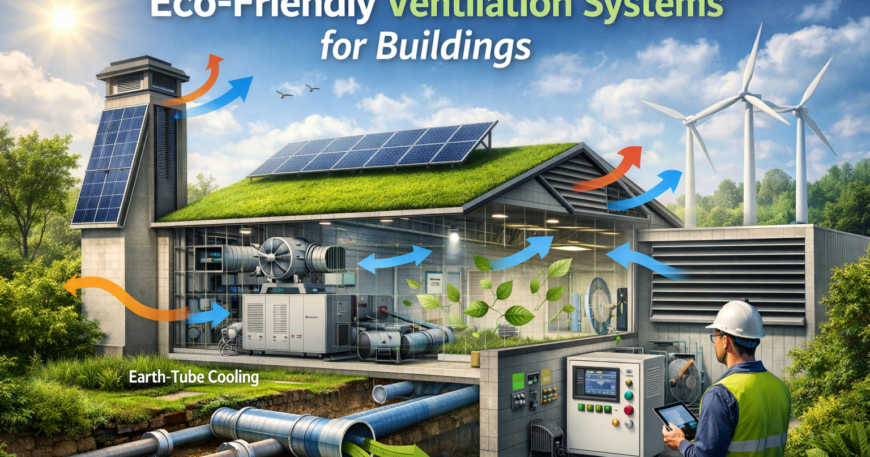
| Earth-Tube Heat Exchangers | Use underground temperatures to pre-cool incoming ventilation air. |
| Natural Ventilation | Uses wind pressure and thermal buoyancy to move fresh air through a building. |
| Cross Ventilation | Allows air to enter and exit through opposite openings to improve airflow. |
| Solar Chimney | Uses solar-heated air to create an upward draft that improves natural ventilation. |
| CFD Simulation | Computational Fluid Dynamics modelling used to predict airflow patterns before construction. |
| Maintenance Requirement | Natural ventilation systems generally require less maintenance than conventional HVAC equipment. |
| Industrial Application | Suitable for factories, warehouses, manufacturing facilities, and commercial buildings. |
| MEP Coordination Importance | Prevents conflicts between ventilation ducts, electrical systems, and structural elements. |
| Building Automation Integration | Allows sensors and controls to optimize airflow and energy efficiency automatically. |
| Long-Term Benefit | Lower operating costs, improved occupant wellbeing, and greater sustainability performance. |
We know that a building is only as good as the air inside it. In our daily work, we see standard HVAC setups burning through massive amounts of power just to keep a room tolerable. We believe eco-friendly ventilation systems are a logical path forward for modern infrastructure in Pakistan. These setups do not just move air; they help improve the health of everyone in the building. Our team prioritises cutting energy waste without dropping our standards for air quality. We integrate these green solutions directly into our core power distribution projects.
Understanding Indoor Air Quality and Contaminants
Indoor air often traps more toxins than the dusty atmosphere outside. We see CO2 and chemical vapours spike fast in sealed, modern rooms. We often notice this during large-scale installations where the air exchange rates are just too low. Poor air makes staff sluggish and creates real health risks over time. We solve this by designing systems that pull out pollutants and trapped moisture before they cause trouble. Our approach makes sure every project hits international safety marks. Clean air is not a luxury; it is a basic need for any factory.
How Eco-Friendly Ventilation Systems Drive Building Sustainability
We treat eco-friendly ventilation systems as a vital part of our engineering promise. These systems use natural physics and smart tech to stop the heavy use of fossil fuels. We find that mixing mechanical fans with natural intake cuts operational costs significantly. By choosing eco-friendly ventilation systems, we help our clients shrink their carbon footprint. Our engineers ensure these systems are suitable for our switchgear and automation panels. We often see noticeable efficiency gains after these upgrades. This move protects the environment and your wallet at the same time.
Passive Cooling Strategies in Modern Architecture
We use passive cooling to handle the heat without leaning on a heavy electrical load. Techniques like nocturnal radiation and thermal insulation work perfectly in our climate. We apply high-emissivity paints to bounce solar heat off industrial roofs. These methods help us keep indoor temperatures stable during the worst summer peaks. We find that earth-tube heat exchangers provide cool air at low operational cost. Our team checks your specific site geography to pick the right passive tools. Smart design takes the massive pressure off the local power grid.
Advantages of Natural Ventilation for Industrial Growth
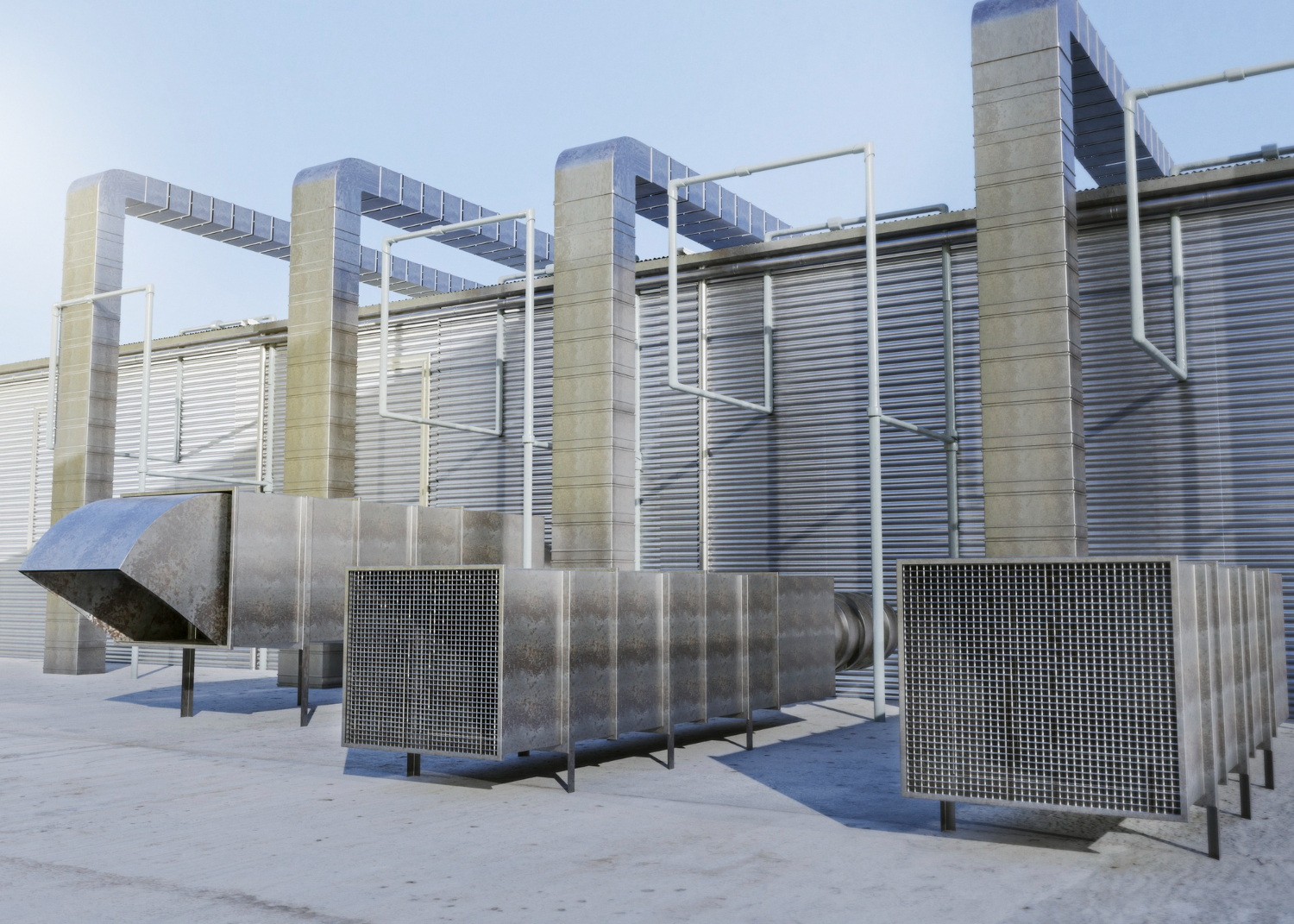
We believe natural ventilation is the cheapest way to get air moving. Solar chimneys and cross-ventilation create healthy spaces without needing complex machines. We use CFD simulations to map exactly how air will flow through a new site. This data lets us put vents exactly where they do the most work. We see that workers stay sharper in rooms with fresh, moving air. Natural setups also need much less maintenance than heavy HVAC units. We lead by showing how simple physics can solve your problems.
Towards Sustainable Indoor Environments
We are pushing toward a future where buildings work with nature, not against it. Bilal Switchgear Engineering has the technical expertise to make this happen. We deliver high-performance results that never compromise on occupant safety. Our team invites you to see how we lead in green engineering. We make sure eco-friendly ventilation systems stay at the core of our strategy.
FAQs
Why should we choose eco-friendly ventilation systems?
We recommend these systems because they slash energy bills and cut carbon emissions. They provide a much cleaner supply of fresh air for everyone inside.
Can natural ventilation work in large factories?
Yes, we use tools like solar chimneys to move air through massive spaces. This removes the need for expensive, energy-hungry industrial cooling fans.
What are the main pollutants in indoor air?
We often find high levels of CO2 and chemical vapours from construction materials. Our systems filter these out to keep your workplace safe and breathable.
How does ventilation impact workplace productivity?
We notice that fresh air keeps your staff focused and reduces sick days. High CO2 levels usually lead to headaches and slow brain function.
Do eco-friendly systems require more maintenance?
No, we find that natural systems have fewer moving parts to break. This leads to much lower long-term costs for your maintenance teams.
Is MEP coordination necessary for ventilation?
We believe it is vital so that ducts do not hit electrical lines. Proper coordination prevents messy on-site delays and keeps the budget on track.
What is the role of Bilal Switchgear Engineering?
We provide the electrical guts and automation needed to run these systems right. Our team makes sure your green tech fits your power supply perfectly.