

Automation is changing how we work. Bilal Switchgear Engineering provides the heavy-duty tech needed to manage these smart systems. If you want to run a smooth factory, you must understand your power tools. High-quality voltage panels for industrial setups keep everything moving without expensive pauses or sudden breaks.
What Are Voltage Panels for Industrial Automation?
These are essentially the control centers for your plant. They house the delicate electronics and heavy switches that tell machines what to do. You will find that voltage panels for industrial use are much tougher than standard home boxes. They manage high loads while keeping the automated logic safe from heat or dust.
Why Quality Voltage Panels for Industrial Systems Matter
Safety is the main reason. A bad panel can cause a fire or fry your expensive sensors. In Pakistan, power can be unstable sometimes. Using reliable voltage panels for industrial projects protects your investment. It ensures that your automation software can talk to the hardware without getting interrupted by power spikes.
Types of Voltage & Control Panels Used in Automation
There is no single panel that does every job. You must mix and match different types. Bilal Switchgear Engineering builds various units for different tasks. It is important to know which one handles the main power and which one handles the smart logic.
Power Control Panels (PCC)
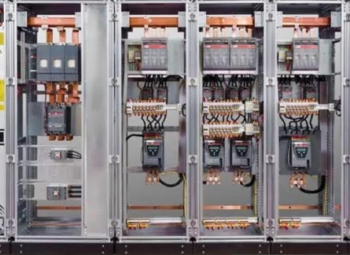
The PCC is where the main power enters. It uses heavy busbars to move large amounts of electricity. Think of it as the heavy lifter in your system. This low-voltage panel setup is the foundation of any factory power grid.
Motor Control Centres (MCC)
MCC panels are all about movement. They contain soft starters and variable frequency drives to run motors. You use them to speed up or slow down conveyor belts. These voltage panels for industrial plants prevent motors from burning out during a hard start.
PLC & Automation Panels
These are the brains. They house the Programmable Logic Controllers that run your code. They connect to sensors on the floor to make split-second decisions. Without these specific voltage panels for industrial automation, you would have to flip every switch by hand.
Key Components of Voltage Panels for Industrial Use
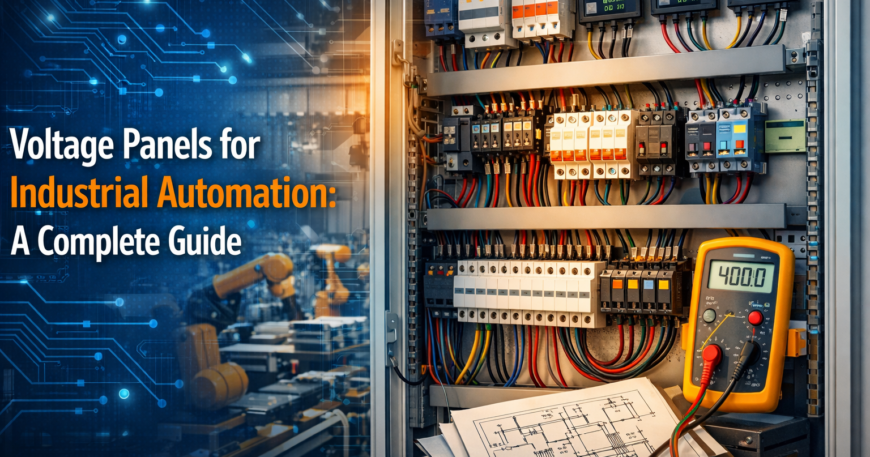
Inside these boxes, you find circuit breakers and contactors. There are also HMIs, which are the screens you touch to control things. Everything is wired neatly to prevent short circuits. Each part must be high-quality to survive a hot factory floor for years.
Standard Voltage Levels & Compliance in Panels
Compliance is not just a suggestion. It is a requirement for safety. Most medium voltage panels and LV units follow IEC 61439 standards. This ensures they are type-tested for high heat and pressure. Using certified parts means your workers stay safe and your insurance stays valid.
Designing Voltage Panels for Industrial Environments
Design starts with the enclosure. It must be rated for the dust and moisture in your specific area. You also need good cable management so wires do not get tangled. Proper cooling is a must, as high-power electronics generate a lot of internal heat.
Testing, Installation & Maintenance
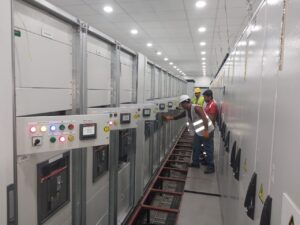
You cannot just plug it in and walk away. Functional testing is required to see if the logic works. Insulation resistance tests check for leaks. Bilal Switchgear Engineering recommends regular checks. This prevents small wire issues from becoming huge, expensive production shutdowns.
Choosing the Right Voltage Panels for Industrial Work
Look at your current load and leave room for growth. Buying a panel that is too small is a common mistake. Talk to engineers who understand the specific needs of your industry. Picking the right voltage panels for industrial applications today saves you from buying new ones in two years.
Modernizing your plant is a big step. Bilal Switchgear Engineering is here to help you get the electrical side right from the start. We focus on durability and local needs. Our team ensures your panels for industrial automation are ready for the future.
FAQS
What is a voltage panel in industrial automation?
It is a control unit that manages power and logic for machines. It acts as the brain and muscle for automated factory systems.
What are the main types of voltage panels used in factories?
The main types are PCC for power, MCC for motors, and PLC for automation. Each serves a different but vital role in production.
How do I choose the right voltage panel for my industrial application?
Check your total power load and the environment where it will sit. Always choose a panel that follows international safety and testing standards.
What safety standards do industrial voltage panels need to follow?
Most follow IEC standards like IEC 61439 for low-voltage gear. These standards prove the panel can handle heat and electrical faults safely.
How is maintenance performed on voltage panels?
Engineers check for loose connections and clean out dust from the fans. They also use thermal cameras to find hidden hot spots before they break.
How do transformers work in industrial control panels?
They step down the high main voltage to a lower, safer level for controls. This allows the computer parts to run without getting fried by high power.