

Choosing the right electrical setup is a big task for any project. Bilal Switchgear Engineering specializes in high-quality power solutions that keep your systems running. In this guide, we look at different voltage panels to help you decide what fits your facility. We focus on reliability and safety for every single build.
What Are Voltage Panels?
Essentially, voltage panels act as the central brain for your building’s electricity. These units house switches and breakers to control power flow safely. They stop electrical surges from damaging your expensive machinery. Without proper voltage panels, managing a large power load becomes very risky for any business.
Classification of Voltage Panels by Voltage Level
Engineers group these systems based on how much power they handle. Each level requires different insulation and safety parts. Bilal Switchgear Engineering builds these to meet strict international codes. Understanding these levels helps you pick the right gear for your specific power needs.
Low Voltage (LV) Panels
A low-voltage panel usually operates at less than 1,000 volts. You will find them in offices, small shops, and homes. These units manage lighting and small appliance circuits effectively. They are easy to install and maintain for daily use.
Medium Voltage Panels
Medium voltage panels handle between 1,000 and 35,000 volts. Large factories and hospitals often rely on these for heavy loads. They use specialized protection to handle the higher energy levels safely. Bilal Switchgear Engineering ensures these are robust enough for 24/7 industrial operations.
High Voltage (HV) Panels
High-voltage systems handle power above medium-voltage ranges and are typically used in utility-scale applications. These systems are mainly used within power plants and large utility grids, rather than standard industrial facilities. They require massive space and very high-end safety clearance. Most standard businesses will not need this specific level of equipment.
Key Types of Functional Voltage Panels
Functional types are defined by what the panel does. Not all voltage panels serve the same purpose in a factory. Some distribute power, while others control motors or save energy. It is important to match the panel type to your work.
Main Distribution Panel (MDP / MDB)
The MDB is the first stop for power entering your building. It takes the main feed and splits it into smaller branch circuits. This keeps the whole system organized and protected from a single point. It is the most common of all voltage panels.
Motor Control Center (MCC) Panels
MCC units are built specifically to run electric motors. They contain starters and drives that allow you to turn heavy machines on or off. They protect motors from burning out during a power spike. Many industrial sites in Pakistan use these to keep production lines moving.
PLC / Automation Panels
These voltage panels are used in industrial environments where automated control and monitoring are required. They use computers to automate tasks without human help. They are configured to follow predefined control logic for specific industrial processes. They make your work faster and much more accurate over time.
APFC Panels (Automatic Power Factor Correction)
APFC units are great for saving money on your electricity bills. They fix the power factor by using capacitor banks automatically. This prevents you from paying extra penalties to the utility company. It is a very smart investment for any large factory.
Synchronization & ATS Panels
ATS units switch your power to a generator during a blackout. Synchronization panels let multiple generators work together at once. These voltage panels are vital for places that cannot afford to lose power. They provide peace of mind during unexpected outages.
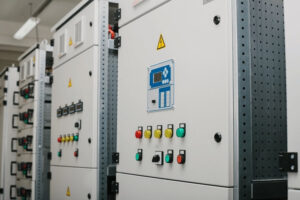
How Voltage Panels Are Selected for Applications
You must look at your total load before buying. The environment also matters, as dust or heat can damage internal parts. Choosing the wrong size can lead to dangerous overheating or frequent trips. Always consult with an expert before making a final purchase.
Industrial Applications of Voltage Panels
Factories need heavy-duty voltage panels to handle constant vibration and heat. These units must be built with thicker metal and better cooling fans. They are designed to run for years without needing a total shutdown. Safety is the top priority in these settings.
Commercial & Residential Uses
Office buildings and malls need compact and quiet designs. These voltage panels focus on distributing power to many small rooms or shops. They are usually hidden in closets but stay accessible for quick repairs. Proper labeling is key for these types of installations.
Safety Standards and Compliance for Voltage Panels
Safety is never something you should skip in electrical work. Our voltage panels are as per IEC standards to ensure safety and performance. This means they can withstand short circuit conditions under defined safety limits. High-quality breakers and copper busbars are essential for long-term safety.
Maintenance and Best Practices for Voltage Panels
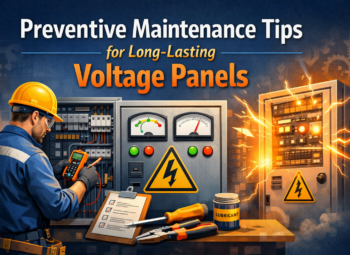
You should check your voltage panels at least once a year. Look for loose wires or signs of heat damage on the plastic parts. Keeping the area clean and dry prevents most electrical fires. Bilal Switchgear Engineering provides the expertise needed to keep your local systems running at peak performance.
FAQS
What is a voltage panel, and why is it important?
It is a metal box that houses electrical components to distribute and control power. It is vital because it protects your building from fires and electrical faults.
What does a low-voltage panel do?
A low-voltage panel takes power under 1,000 volts and sends it to lights and plugs. It uses breakers to stop power if there is a problem on the line.
Is it better to have high or low voltage?
High voltage is better for moving power over long distances without loss. Low voltage is safer and standard for the tools we use in daily life.
What are the main types of voltage panels used in industries?
Most industries use MDBs for distribution and MCCs for running their large motors. They also use APFC panels to keep their power bills low and to ensure efficiency.
How do I choose the right voltage panel for my application?
You need to calculate your total power load and check your voltage requirements. Always consider environmental conditions such as humidity and dust in your workplace.
How often should voltage panels be maintained?
You should perform a basic visual check every few months for any issues. A deep professional inspection should happen once every year to ensure total safety.