

Bilal Switchgear Engineering knows that messy wiring ruins industrial productivity. You cannot just leave heavy cables hanging in a factory. It is dangerous and looks bad. High-quality cable trays solve this by giving wires a safe path. They keep everything organized. And they make maintenance much easier for your team.
What Are Cable Trays?
Cable trays are the support systems for electrical wiring. They act as a bridge for power and data cables. You will find them in almost every industrial building. They support the weight of heavy lines. This keeps the wiring off the floor. It also protects the cables from getting crushed or pulled.
These systems are part of a solid electrical infrastructure. They are better than old-fashioned conduits in many ways. You can see the wires easily for repairs. It is also simple to add new wires later. This makes them very popular for growing businesses in Pakistan. They provide the load support needed for safe operations.
Ladder Type Cable Tray
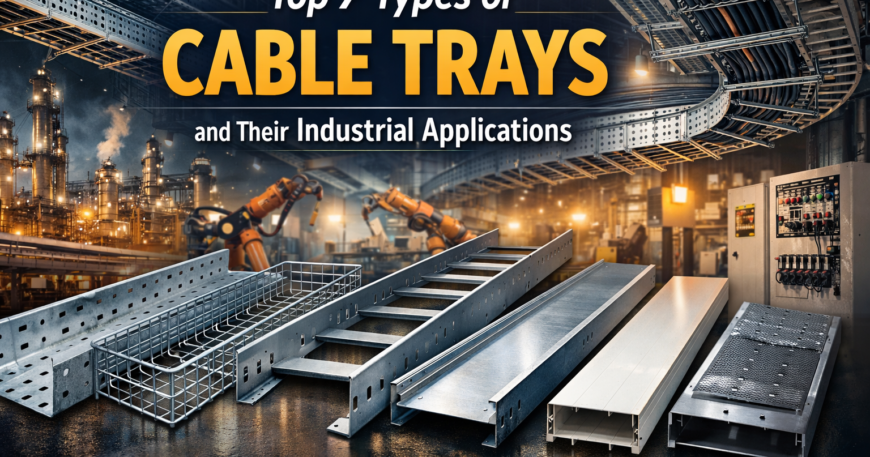
The cable ladder is a very common sight in heavy industry. It has two side rails connected by rungs. This looks just like a ladder. It is perfect for heavy-duty cables. The open design allows air to flow around the wires. This stops them from getting too hot during high power use.
You will see these in oil and gas plants. They have a massive load capacity. They are built for durability in tough spots. You can easily tie cables to the rungs. This keeps the wires from moving around. It is the best choice for running large power lines over long distances. Most projects require a mix of cable tray and cable ladder components to manage the weight and safety of the system.
Perforated Cable Tray
A perforated tray has a solid bottom with many small holes. These holes are there for ventilation. It helps with heat dissipation so cables do not burn out. These are great for medium-duty cables. You find them in manufacturing plants and power stations. They offer a bit more protection than ladders.
The holes also make it easy to fasten cables down. They are often corrosion-resistant because of the materials used. This is a very versatile type of cable tray setup. It keeps the wires safe from dropping debris. But it still lets the air move through the system.
Wire Mesh Cable Tray
Often called a basket tray, this one looks like a wire fence. It is very lightweight and easy to handle. You will find these in data centers and IT rooms. They are perfect for telecommunication lines. The open mesh allows for maximum airflow. This is critical for sensitive data cables.
You can cut and bend these trays easily on the job site. This makes them very customizable. They are not meant for super-heavy power lines. But for light computer cables, they are perfect. They keep the data room looking clean and organized.
Raceway Cable Tray
A raceway is an enclosed cable pathway. It looks like a long box or tube. This design offers excellent EMI shielding. It protects sensitive wires from electrical interference. You will find these in hospitals and laboratories. They are also good for moisture protection in outdoor applications.
The enclosed design keeps dust and water away from the wires. It is a very safe way to route cables in public areas. It hides the wires completely from view. This makes the installation look very neat. It is a great choice for specific technical environments.
Aluminum Cable Tray
Aluminum is a great material because it is lightweight. It is also very corrosion-resistant. This makes it perfect for solar installations or coastal areas. The marine industry uses these a lot. Aluminum has good thermal conductivity, too. It helps pull heat away from the power lines.
You do not have to paint these to prevent rust. They stay in good shape even in salty air. They are easier to install because they are not heavy. This saves on labor costs during the project. It is a smart choice for long-term outdoor use.
Stainless Steel Cable Tray
Stainless steel is the king of chemical resistance. These are used in petrochemical plants. You will also see them in the food and beverage industry. They can handle very heavy loads without bending. They often have a polished finish to prevent bacterial growth.
These trays are very tough. They can withstand harsh cleaning chemicals every day. While they cost more, they last almost forever. They do not rust or degrade in acidic environments. It is a high-end solution for very specific industrial needs.
Solid Bottom Cable Tray
This is an enclosed design with a solid metal floor. It offers the best dust protection for your wiring. It is also great for EMI shielding. You will see these used for fiber optic cables. Cleanroom environments often require this specific type of cable tray design.
There are no holes, so nothing can fall through. This protects delicate glass fibers from damage. It is a bit heavier than the perforated versions. But the protection it offers is worth the extra weight. It keeps the system very secure from outside interference.
Channel Cable Tray
Channel trays have a compact design for light-duty cables. They are perfect for residential wiring or small commercial projects. If you have very little space, this is the way to go. It is a space-saving solution for small runs of wire. You can mount them quickly on walls or ceilings.
They are usually used for single cables or small bundles. They do not handle massive power loads. But for basic office wiring, they are excellent. They keep the cables tucked away neatly. It is a very cost-effective way to manage small wiring jobs.
Comparing Cable Tray Types
When you compare them, look at the load capacity first. Ladder trays win for heavy power. Wire mesh wins for IT and data. Airflow is another big factor. Perforated trays are the middle ground for most projects. You must think about maintenance and cost efficiency, too.
Some trays are much easier to install than others. The environment dictates the material you need. A food plant needs stainless steel. A dry warehouse might just need basic galvanized steel. Every type of cable tray has a specific job to do in the industry.
How to Choose the Right Cable Tray for Your Project
Start by looking at the cable type and weight. Then check the environment. Is it wet or full of chemicals? Load requirements are the most important part. You must follow safety standards to prevent accidents. Think about the long-term performance of the metal.
Bilal Switchgear Engineering can help you pick the right system. We provide high-quality cable trays for all industrial needs. Our team ensures your wiring stays safe and organized. We prioritize international standards for every client. Contact us to upgrade your cable management today.
FAQS
What are the 3 main types of cable trays?
The three most common types are ladder, perforated, and solid bottom trays. Each one handles a different level of weight and environmental protection.
What are the benefits of using cable trays?
They provide better airflow for cooling and are easier to maintain than conduits. You can also add or remove cables quickly as your business grows.
What is the standard cable tray size?
Sizes vary, but common widths are 6 to 36 inches with depths of 3 to 6 inches. The length is usually around 10 to 12 feet per section.
What are the main types of cable trays?
There are several types, including ladder, perforated, wire mesh, solid bottom, and channel trays. Aluminum and stainless steel are common material options, too.
What is the difference between ladder and perforated cable trays?
Ladders have rungs and offer the best airflow for heavy power cables. Perforated trays have a solid floor with holes for medium protection and ventilation.
Are aluminum and stainless steel cable trays suitable for outdoor use?
Yes, both materials resist rust and corrosion very well in the rain. Aluminum is better for coastal areas, while stainless steel handles chemicals.
Which type of cable tray is best for heavy-duty installations?
The ladder type is the best choice for heavy-duty industrial power cables. It has the highest load capacity and keeps the wires from overheating.