

A sudden power failure can just stop your whole production line in a heartbeat. Bilal Switchgear Engineering really gets that keeping your gear running is the most important thing for any business. If you use preventive maintenance, you can skip those expensive breakdowns. It is all about catching the small stuff before it turns into a total disaster that costs a fortune to fix.
Importance of Preventive Maintenance for Reliability
Doing regular checks is just the best way to keep a factory safe and moving. Preventive maintenance helps you find those hidden faults, like a loose wire or a part that is starting to fail. This saves you a ton of money on those middle-of-the-night emergency repairs. Plus, it makes your hardware last a lot longer. Staying ahead of the game means your workers stay safe every single day.
Establish a Regular Maintenance Schedule
You really should not wait for something to snap before you decide to look at it. You need a solid plan for preventive maintenance that your guys follow every single time. This could be every month or maybe every six months if you do not run heavily. A good schedule keeps the whole team on the same page. It makes sure no part of the system is just left to rot or ignored.
Cleaning Voltage Panels and Internal Components
Dust and dirt are like silent killers for any electrical setup. They can make a low-voltage panel get way too hot or even cause a short circuit before you know it. Use a vacuum or just a simple lint-free cloth to keep the gunk out. Always, always follow the safety rules before you even think about opening a panel door. Clean parts just run cooler, and they stay reliable for much longer.
Inspect Electrical Connections for Faults
Loose connections are a huge reason for electrical fires here in Pakistan. While you are doing your preventive maintenance, you must check every single screw and terminal. Thermal cameras are great for finding hot spots that your eyes cannot see at all. Tightening up these connectors stops things from melting and protects your whole investment.

Temperature Monitoring and Management
Heat is a real enemy for electronics, especially when the weather is already hot outside. You need to check that your cooling fans are spinning and the filters are not blocked up with dirt. If the air cannot move, the parts will fail fast. Part of your preventive maintenance routine should be making sure the temperature inside the box stays at a safe level.
Testing and Replacing Worn Components
Things like contactors and relays do not last forever. You should be measuring the voltage and looking for any signs of physical wear regularly. If a part looks a bit burnt or is making a weird buzzing sound, just swap it out. Doing this during your preventive maintenance window is way cheaper than having the whole system die during a big order.
Protecting Panels from Environmental Hazards
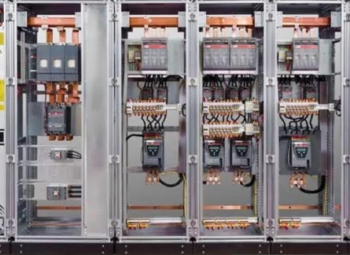
Moisture and chemicals can eat through your wiring faster than you think. You need to check that the enclosures and gasketing on medium voltage panels remain intact and provide proper environmental protection. If your workplace is extra dusty, make sure you are using high-quality filters. Keeping the outside world out of your panel is a very simple way to keep things safe.
Functional Testing for System Reliability
It is a smart move to test your PLCs and the safety shut-offs every now and then. You want to be sure the alarms will make noise when there is a problem. This preventive maintenance step proves that the brain of your system is still thinking straight. It gives you that peace of mind that the gear will handle a real fault the right way.
Training Your Maintenance Team Properly
Your workers need to know exactly how to use those diagnostic tools. If they have the right knowledge, they can do their troubleshooting without getting hurt. Spend a little time on training so they know the latest safety steps. A team that knows what they are doing makes preventive maintenance work. They see the tiny problems that an untrained person would just walk past.
Documentation and Professional Support
Keep a simple log of every time you open a panel or fix a wire. These records help you see how the health of your system is changing over the months. For the tough stuff, you might want a professional service contract. Bilal Switchgear Engineering provides the kind of expert help that keeps systems in top shape. Good notes are the last part of a solid preventive maintenance strategy.
FAQS
Why is preventive maintenance important for voltage panels?
It stops those surprise breakdowns that cost you money and keeps the building safe from fires. It also makes sure your expensive gear does not die years before it should.
How often should voltage panels be maintained?
Most places should do a check every three to six months or so. If your factory never sleeps, you probably need to look at it even more often than that.
Who should maintain voltage panels?
Only people who really know what they are doing, like licensed electricians, should touch them. High-power electricity is way too dangerous for anyone who is not trained.
Can voltage panels be cleaned while powered?
Absolutely not, you must kill the power before you go in there with a cloth or vacuum. If you touch a live part with a tool, it can cause severe electrical faults or arc flash hazards.
How long do voltage panels last with proper upkeep?
If you take care of them, they can easily last for many years. If you ignore the maintenance, they might fail in less than ten.
What are common signs that a voltage panel needs maintenance?
Listen for buzzing or humming and look for any weird smells like burning plastic. If the door of the panel feels hot to your hand, that is a bad sign.
Can poor maintenance affect the safety of voltage panels?
Yes, it is one of the main reasons for accidents in factories. Dust and loose wires are what lead to the big shorts that cause fires.