

Bilal Switchgear Engineering understands that heat is the biggest enemy of electrical cables. When wires carry heavy loads, they naturally get hot. If that heat stays trapped, the insulation can melt. This leads to dangerous short circuits or fires. Using a perforated cable tray is the best way to keep your system cool and safe.
What Are Perforated Cable Trays?
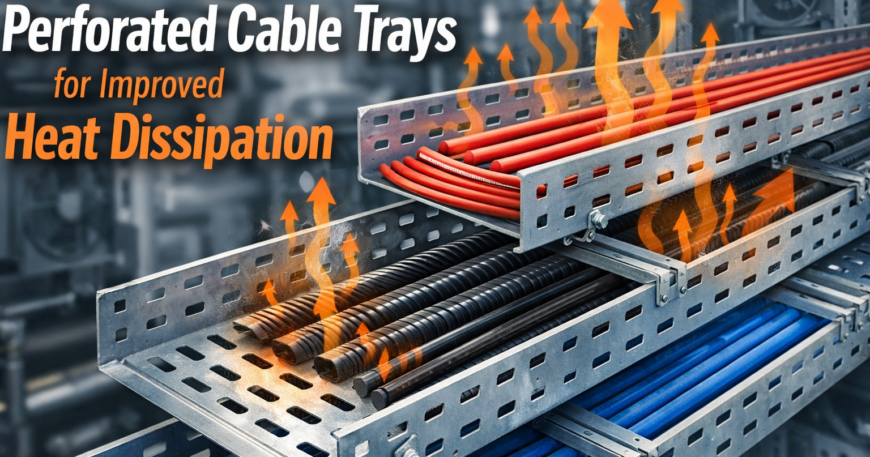
A perforated cable tray is basically a metal channel with holes in the bottom. These holes are not just for looks. They allow air to move around the cables constantly. It is a vital part of modern electrical infrastructure. You will find these trays in most industrial buildings where cable routing is a major task.
These tray systems are much better than solid pipes. They provide a sturdy path for wires while keeping them visible. This makes it easy for workers to check the lines later. It is a simple design that solves big heat problems. Most factories in Pakistan now prefer these over old methods.
Benefits of Using a Perforated Cable Tray
Organization is a huge plus when you use these trays. They protect your wires from getting crushed or tangled. But the biggest win is ventilation. Preventing overheating is the main reason engineers choose this setup. It keeps fire hazards away from your expensive machinery.
Enhanced Cable Organization
Routing wires through a perforated cable tray keeps everything neat. You do not have to worry about messy, tangled wires. Support brackets hold the tray securely in place. You can use cable ties through the holes to keep everything in order. It makes the whole panel room look professional.
Heat Dissipation and Ventilation
Airflow is critical for temperature control in high-power systems. The holes in the perforated cable tray allow for natural cooling. This reduction in overheating keeps the electrical performance stable. It also protects signal integrity for data lines. When cables stay cool, they last much longer.
Material Options and Durability
You can get these trays in different materials, such as galvanized steel. Galvanized steel trays offer great corrosion resistance for long-term use. Aluminum cable trays are another choice if you need something lightweight. Industrial materials are chosen based on how tough the environment is. Bilal Switchgear Engineering helps you pick the right one.
Flexibility and Customization
The modular design of these trays makes them very easy to use. You can have straight runs, sharp curves, or smooth bends. Multi-tier cable trays allow you to stack lines in a small space. It is a very scalable installation for growing businesses. You can add more sections as your power needs increase.
Segregation of Power and Data Cables
Mission-critical applications need clear signal integrity. You should separate power lines from data cables to stop EMI. A perforated cable tray makes this segregation easy to manage. It protects sensitive data from electrical noise. This is vital for computers and control systems in the plant.
Cost-Effectiveness and Maintenance
The initial installation cost is quite low. These trays are lightweight, which leads to labor reduction. Maintenance is also a breeze because you can see every wire. You save money in the long run because the setup is so efficient. It is a smart way to manage your facility’s budget.
Safety and Compliance
Electrical safety is the top priority for any business. Using a perforated cable tray helps you stay in code compliance. It reduces trip hazards by keeping wires off the floor. Secure cable routing prevents accidental pulls or cuts. It makes the workplace much safer for your maintenance crew.
Installation Tips and Best Practices
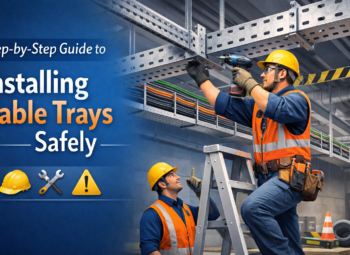
Prefabricated sections allow for a very quick assembly. You just need basic tools to put the pieces together. Make sure you leave enough maintenance access for future checks. You can choose an overhead or underfloor installation. Just ensure the perforated cable tray is bolted down tightly to avoid vibrations.
Reliable power starts with a good cable tray and cable ladder system. Bilal Switchgear Engineering provides the best quality products for your industrial needs. We focus on durability and heat management for every project. Our team is here to help you design a safe electrical path. Contact us today to upgrade your infrastructure.
FAQS
What is a perforated tray used for?
It is used to support and organize electrical cables while allowing air to cool them. You see them in factories and office buildings to prevent wires from overheating.
When is an unperforated tray necessary?
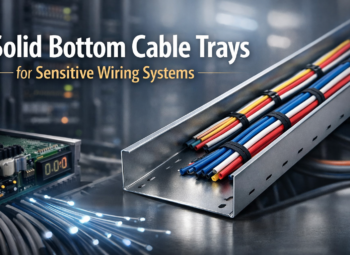
You need a solid tray if you must protect cables from falling dust or liquid. It is also used when total EMI shielding is required for very sensitive signals.
Do perforated cable trays have environmental benefits?
Yes, because they keep cables cool, which reduces energy waste from heat. Most are made of recyclable metals like steel or aluminum, which is better for the earth.
How easy is it to install and maintain perforated cable trays?
They are very simple to install because they use modular, bolt-together sections. Maintenance is easy since the open design lets you see and touch cables without opening pipes.
Are perforated cable trays safer than traditional conduit systems?
In many ways, yes, because they prevent heat buildup that causes fires in conduits. They also make it easier to find and fix a damaged wire before it causes a problem.
Can perforated cable trays be customized for different projects?
Absolutely, you can cut and bend them to fit any room layout. Manufacturers offer many different widths and depths to match the number of cables you have.
What materials are commonly used for perforated cable trays?
The most common materials are galvanized steel, stainless steel, and aluminum. Each material is picked based on the rust risk and weight limits of the project.