

Bilal Switchgear Engineering provides the heavy-duty infrastructure needed for industrial growth. You cannot just run thick power cables across a floor without support. It is dangerous and messy. A ladder cable tray is the best way to handle these large loads. It keeps everything organized and safe. This system is the backbone of most modern power plants today.
What Are Ladder Cable Trays?
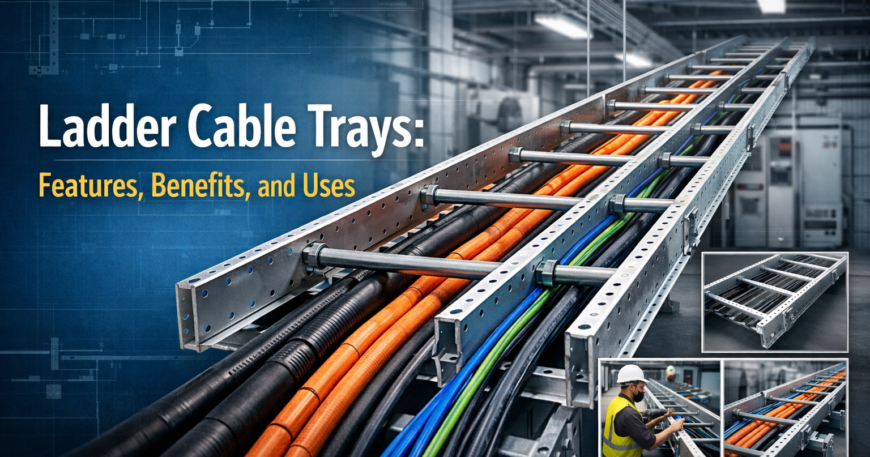
A ladder cable tray looks exactly like a ladder with side rails and rungs. It is an open support system for electrical cables. This design allows for maximum airflow around the wires. You will find them in large industrial facilities across Pakistan. They are much stronger than simple wire mesh baskets.
The rungs are spaced out to provide easy tie-down points. This keeps the cables from shifting during a power surge. It is a very simple but effective design. These trays are built to carry a high volume of current. They are a core part of any professional cable tray and cable ladder installation.
Advantages of Ladder Cable Trays
Choosing this design brings several wins for a project. It is mostly about strength and heat management. You get a system that lasts for decades with very little work. It is easy to see the wires for inspection. This makes the whole electrical setup much more reliable over the long term.
High Load-Bearing Capacity
These trays are made to carry heavy cable loads without sagging. They are perfect for large industrial facilities with massive power needs. You can stack many cables on top of each other safely. The side rails provide great mechanical strength. This is vital for maintaining stable electrical networks in big factories.
Efficient Ventilation
Heat is the biggest enemy of any electrical wire. A ladder cable tray offers the best ventilation possible. The open rungs allow heat to escape quickly into the air. This protects the insulation on high-voltage cables. Good airflow means your system stays cooler and runs much more efficiently.
Easy Installation and Maintenance
The installation process is quite fast because the parts are rigid. You can route cables through the rungs with very little trouble. Inspection is simple because you can see everything from the ground. This leads to minimal downtime when you need to make repairs. It is a very user-friendly cable management system.
Durability in Harsh Environments
You can find these trays made of stainless steel or aluminum. This provides excellent corrosion resistance for outdoor use. They handle rain and humidity without rusting away. This durability is why they are used in chemical plants. They stay strong even when the environment is very tough on metal.
Applications of Ladder Cable Trays
You will see a ladder cable tray in many different places. They are a standard in industrial installations and large commercial buildings. Solar energy systems also use them to manage long strings of wire. Their versatility makes them a top choice for almost any big engineering project.
Long-Distance and High-Volume Cable Runs
When you have extended spans, you need a cost-effective solution. This tray type can bridge long distances between supports. It handles multiple cables at once without losing its shape. This reduces the number of mounting brackets you need to buy. It saves money on both materials and labor.
Heat-Sensitive and Outdoor Installations
High-voltage power lines generate a lot of heat. Data centers and marine environments needane open design to stay safe. A ladder cable tray keeps the wires from melting their own jackets. In outdoor spots, it also prevents water from pooling around the cables. This is critical for preventing short circuits.
Facilities Requiring Frequent Cable Access
Some plants need to re-route their power often. The open rungs make it easy to add or remove a single line. You do not have to pull wires through a closed tube. It keeps the layout organized even after many changes. This is perfect for facilities that are always growing.
Choosing the Right Ladder Tray for Your Project
Material selection is the first thing you should think about. Look at your load requirements and the installation site carefully. Sometimes aluminum is better for weight, but steel is better for strength. Always seek manufacturer guidance before you make a final purchase. It ensures the system meets all safety codes.
Bilal Switchgear Engineering helps you find the perfect fit for your power needs. We specialize in providing a high-quality ladder cable tray for any industrial site. Our team focuses on safety and international standards for every job. We are here to help you build a reliable power infrastructure. Contact us today to learn more about our engineering solutions.
FAQS
What are the advantages of ladder cable tray?
They provide the best airflow for cooling and have a very high load capacity. The open design makes it very easy to inspect and maintain the wires.
What is the application of ladder-type cable tray?
It is used in heavy industries like power plants, oil refineries, and large factories. It is perfect for supporting heavy-duty power cables over long distances.
What materials are ladder trays made of?
Most are made from galvanized steel, aluminum, or stainless steel. The material is chosen based on how much corrosion resistance the project needs.
Where are ladder cable trays commonly used?
You will see them in tunnels, industrial basements, and outdoor solar farms. They are also standard in large commercial buildings for main power runs.
Can ladder trays support long cable runs?
Yes, they are designed to bridge long spans between support brackets. This makes them a very cost-effective choice for large-scale electrical infrastructure.
Are ladder cable trays suitable for high-voltage installations?
They are the preferred choice for high-voltage lines because of the ventilation. Keeping these cables cool is essential for safety and preventing fires.
How do I choose the right ladder tray for my project?
Check the total weight of your cables and the environment of the site. Make sure the width and depth can handle all the wires comfortably.