

Construction problems rarely announce themselves early. They surface later, often during inspections or commissioning. When we trace them back, the cause is usually familiar. MEP codes were considered too late. These rules shape how systems behave long after handover. When they guide decisions early, projects feel organised. When they are treated as formality, delays and redesigns follow.
Codes are not obstacles. They are frameworks built from real failures and lessons. Ignoring MEP codes does not save time. It shifts problems downstream, where they cost more and disrupt progress.
What Is MEP in Construction?
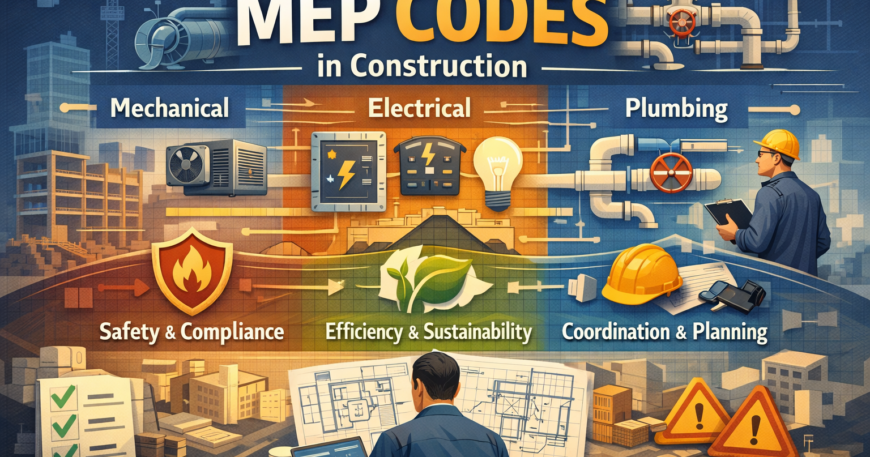
MEP stands for mechanical, electrical, and plumbing systems. These systems keep buildings operational. Mechanical systems manage heating, cooling, and ventilation. Electrical systems distribute power and support controls. Plumbing systems handle water, drainage, and fire protection. We often see these systems described separately. In practice, they function as one network. A change in one area affects the rest.
Importance of MEP Engineering in Construction Projects
Good MEP engineering services protects people and assets. Codes exist to manage real risks, not paperwork. Fire safety, electrical loading, and ventilation limits come from experience. When teams respect MEP codes during design, projects run more smoothly. Compliance supports comfort, safety, and long-term reliability without last-minute fixes.
Comfort and Safety
Indoor comfort depends on airflow, temperature, and pressure balance. Fire and smoke systems protect life. These outcomes rely on coordinated engineering guided by accepted standards.
Performance and Efficiency
Efficient systems work within defined limits. Energy savings follow when layouts, controls, and loads remain realistic. Codes prevent oversizing, undersizing, and inefficient shortcuts.
Typical MEP Costs by Building Type
MEP costs vary by function. Offices prioritise comfort and flexibility. Hospitals require redundancy and strict controls. Data centres focus on cooling and power stability. Residents and schools balance safety and usability. We often see budgets strained when MEP codes are not factored early. Planning with compliance in mind reduces redesign and unplanned expenditure.
How MEP Systems Support Sustainability
Sustainability depends on system choices. Energy modelling improves predictability. Low-flow fixtures reduce demand. LED lighting lowers electrical loads. Renewable integration supports efficiency goals. Many sustainability measures align naturally with code requirements, making performance and compliance work together.
Key Roles in MEP Construction
Successful projects rely on collaboration. Engineers define design intent. BIM specialists coordinate layouts. Contractors install and commission. Architects and managers align decisions. Clear roles matter. Coordination improves when MEP codes guide responsibilities instead of reacting to site issues later.
Why MEP Codes Matter During Design and Construction
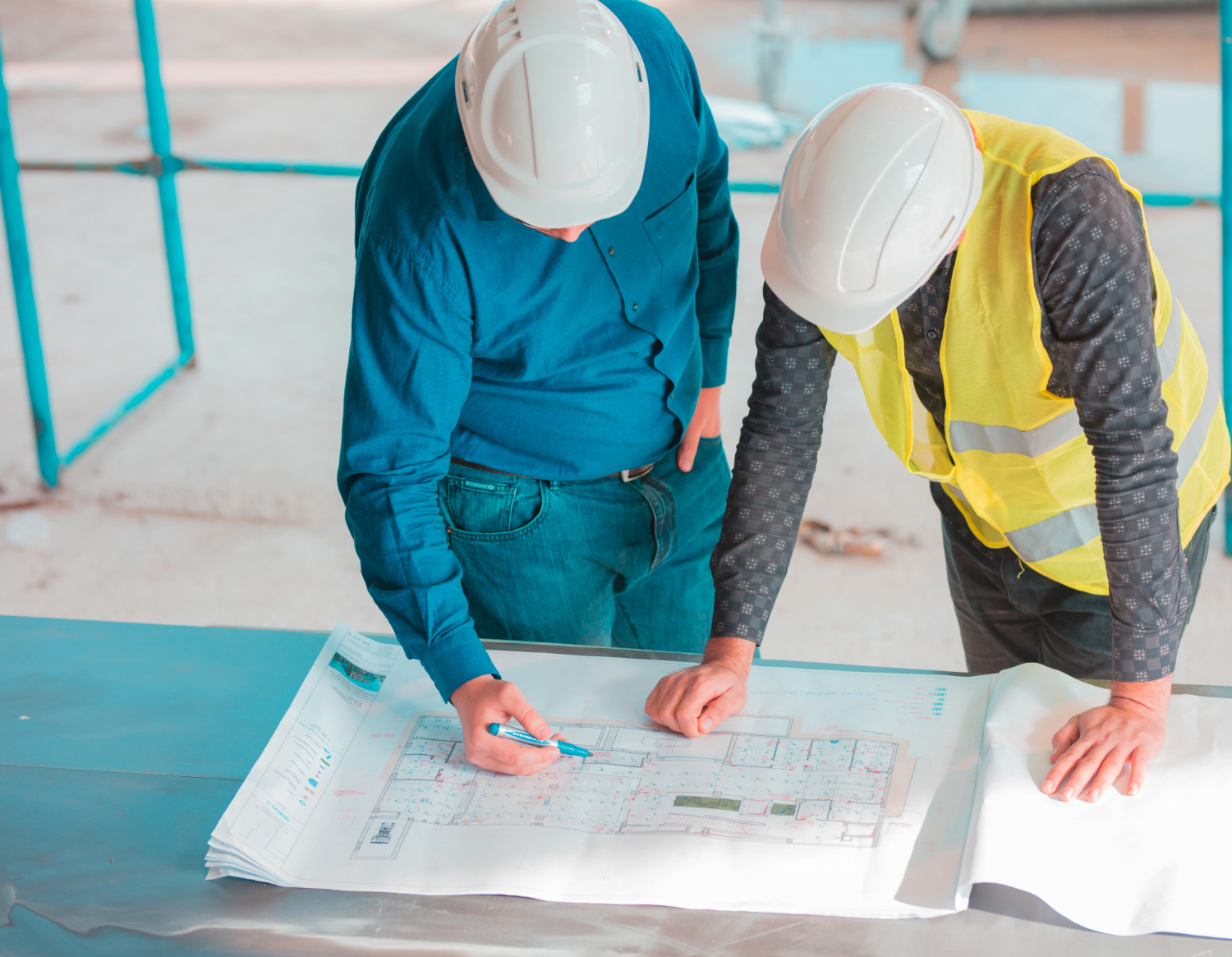
MEP codes influence layout, access, and safety margins long before inspections begin. During design, they reduce uncertainty. During construction, they create consistency. When teams understand the purpose behind rules, compliance becomes logical. These standards protect long-term system performance, not just approvals.
MEP Engineering and Coordination Process
Coordination follows a sequence. Concept design sets intent. System layouts define space. Clash detection prevents conflict. Documentation clarifies the scope. Commissioning verifies performance. Problems appear when steps are rushed. We see smoother delivery when MEP codes remain part of each stage, not an afterthought.
Common MEP Mistakes and Solutions
Common issues include late changes, poor coordination, and limited maintenance access. Oversized or undersized systems reduce performance. Outdated drawings confuse installation teams. Early coordination solves most of these issues.
Planning With MEP Codes in Mind From Day One
Construction benefits from clarity. Early planning reduces friction. Compliance supports safety and performance. At Bilal Switchgear Engineering, we treat MEP codes as design tools, not constraints. Our MEP services focus on coordination and long-term reliability.
FAQs
What are MEP codes in construction?
They are regulations that define safety and performance standards for mechanical, electrical, and plumbing systems in buildings.
Why are codes important for construction projects?
They reduce risk, improve safety, and ensure systems perform reliably throughout a building’s life.
Do codes differ by building type?
Yes. Requirements vary based on occupancy, function, and risk profile.
When should codes be reviewed during a project?
During early design. Late reviews often cause redesign and delays.
Who ensures code compliance on site?
Engineers design, contractors install, and inspectors verify compliance.
Can ignoring codes increase costs?
Yes. Non-compliance leads to rework, delays, and higher operational costs.