


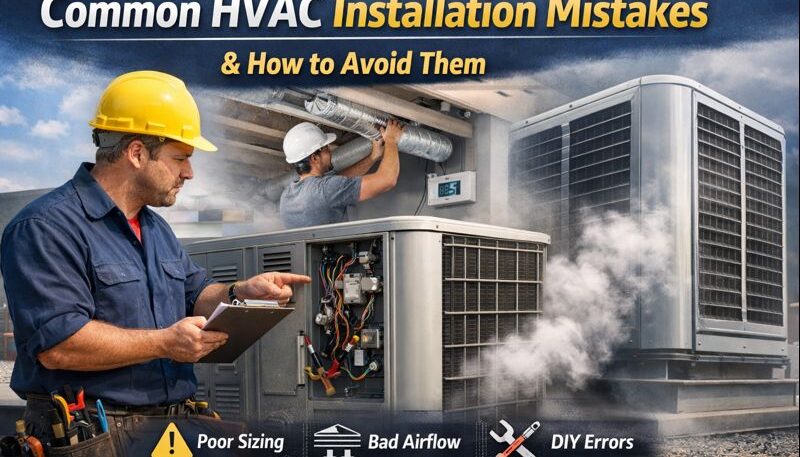
HVAC systems rarely fail because of age alone. Problems usually appear much earlier. Comfort feels inconsistent. Energy use rises quietly. Components wear out faster than expected. When we look back, the cause often sits at the installation stage. HVAC installation decisions shape how systems behave every day. Once mistakes are built in, correcting them becomes disruptive and costly. Getting things right from the start matters more than most realise.
Why Proper HVAC Installation Matters
Installation defines how an HVAC system lives its entire life. We often see efficient equipment underperform because installation details were rushed or overlooked. Airflow feels uneven. Systems run longer than necessary. Safety margins narrow. Proper installation supports energy efficiency, protects the system’s lifespan, and keeps HVAC performance stable. These outcomes do not come from equipment alone. They come from accurate execution and careful judgment during installation.
Incorrect HVAC System Sizing During Installation
Sizing errors remain one of the most common issues we encounter. Load calculations require more than floor area estimates. Heat gain, occupancy, and usage patterns all matter. When sizing relies on assumptions, systems struggle to cope. HVAC installation works best when sizing reflects how spaces actually operate, not how they look on plans.
Risks of Installing an Undersized Unit
Undersized systems work continuously. Cooling or heating never quite catches up. Energy bills rise steadily. We often notice occupants adjusting settings repeatedly without relief. Continuous runtime increases wear and shortens component life.
Problems Caused by Oversized HVAC Systems
Oversized units cycle too frequently. Short cycling stresses components. Temperature control feels unstable. Humidity control suffers. What looks powerful on paper often performs poorly in practice.
Poor Thermostat Placement
Thermostats read what surrounds them. When placed near heat sources, drafts, or direct sunlight, readings become misleading. Systems respond incorrectly. Spaces feel uncomfortable. We often find that simple relocation improves control. Accurate placement supports stable temperature regulation and reduces unnecessary system strain.
Improper Placement of Outdoor Condenser Units
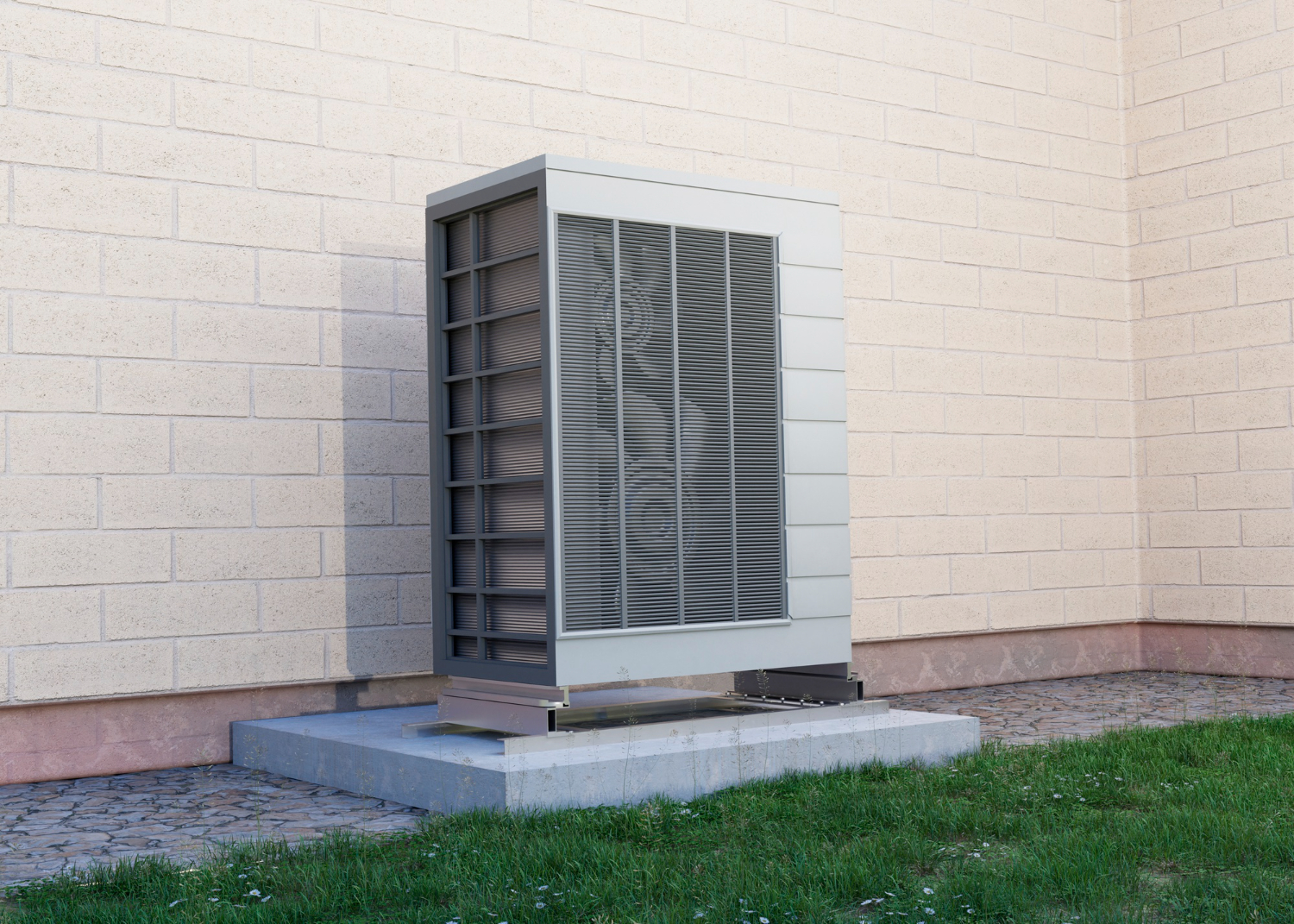
Outdoor units need space to breathe. Restricted airflow limits heat dissipation. Performance drops quietly. We see installations pushed into tight corners or obstructed areas. Following manufacturer clearance guidelines protects efficiency and reduces long-term mechanical stress.
Incorrect Indoor Unit and Vent Positioning
Indoor comfort depends on air distribution. Poor vent placement creates hot and cold zones. Air stagnates in corners. We often encounter spaces where airflow feels uneven despite capable equipment. Thoughtful positioning improves circulation and supports consistent indoor conditions.
Refrigerant Charging Errors and Leaks
Refrigerant levels require precision. Overcharging or undercharging reduces cooling efficiency. Leaks introduce safety risks and performance loss. Certified handling matters here. Small errors during HVAC installation often surface later as recurring service issues.
Faulty or Incompatible HVAC Ductwork
Ductwork connects every part of the system. Poor sealing increases resistance. Leaks draw in dust and allergens. Indoor air quality declines. We frequently find duct issues masked by equipment upgrades. Compatibility between ducts and units matters more than many expect.
DIY Installation and Skipping Professional Standards
DIY installations often aim to reduce upfront costs. In practice, they increase long-term risk. Electrical safety, refrigerant handling, and installation codes exist for a reason. Licensed professionals follow standards that protect occupants and equipment. Skipping these steps compromises reliability and safety.
Professional Support by Bilal Switchgear Engineering
At Bilal Switchgear Engineering, we approach HVAC work with long-term performance in mind. We treat HVAC installation as a process that shapes comfort, safety, and reliability. Our coordination with ventilation system planning helps avoid common errors before they appear.
FAQs
1. Why do HVAC problems often start after installation?
Because installation sets airflow, controls, and system balance. Errors remain hidden until performance declines during regular operation.
2. Can a correct installation really extend system lifespan?
Yes. Proper sizing, airflow, and controls reduce strain. Components operate within intended limits for longer periods.
3. Is thermostat placement really that important?
Yes. Incorrect placement causes inaccurate readings. Systems respond poorly, leading to discomfort and inefficiency.
4. Are ductwork issues common in HVAC systems?
Very common. Poor sealing and design affect airflow and indoor air quality more than most expect.
5. Should HVAC installation always follow manufacturer guidelines?
Yes. Guidelines protect performance and safety. Ignoring them often leads to avoidable failures.
6. Can professional installation reduce maintenance costs?
Yes. Accurate installation reduces recurring faults and extends service intervals over time.